
Introduction – How to Choose a Reliable Taxi Service in Rajasthan
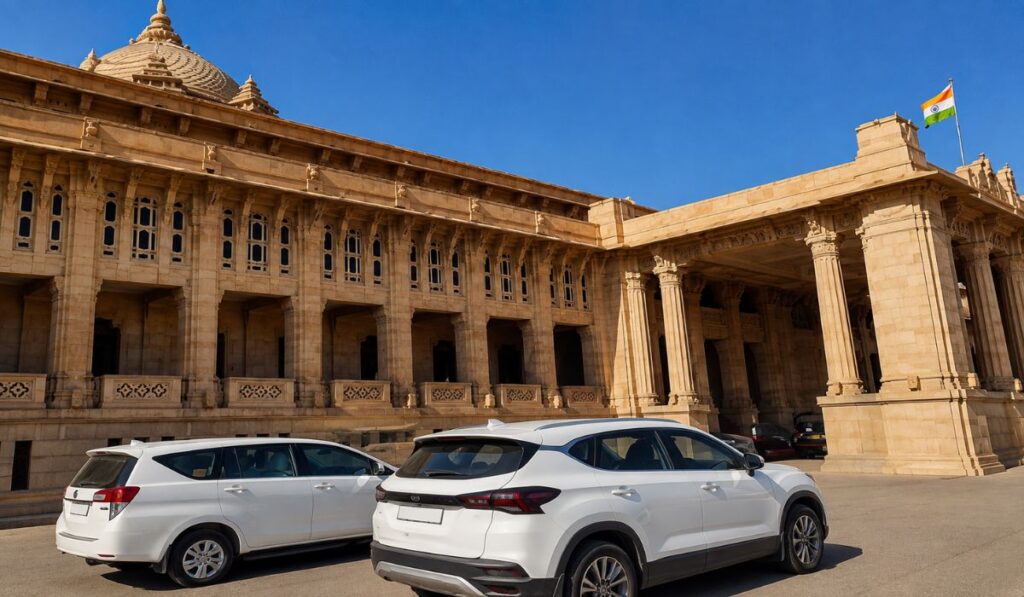
How to Choose a Reliable Taxi Service in Rajasthan: Red Flags to Avoid

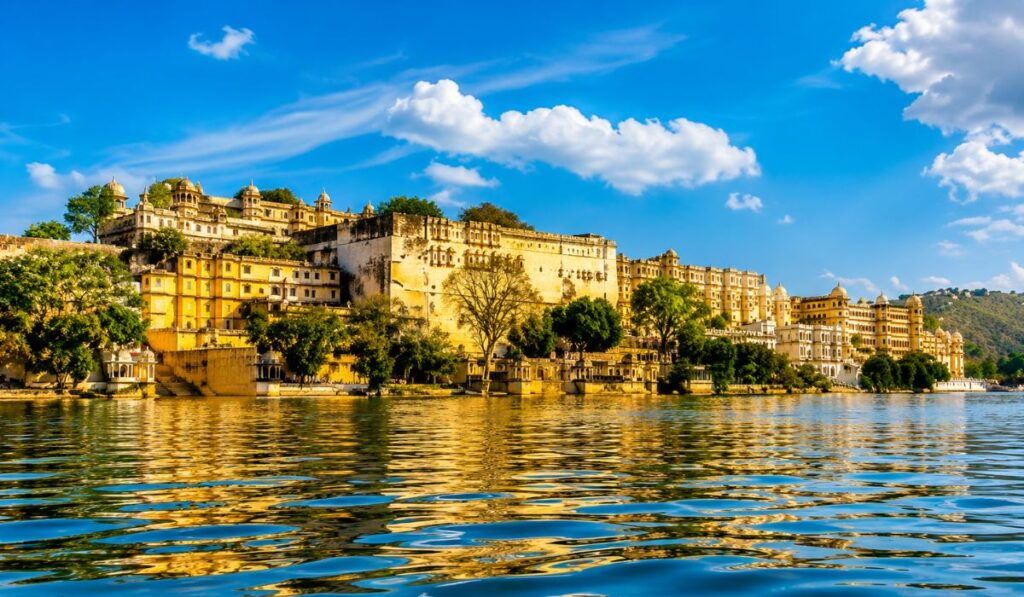
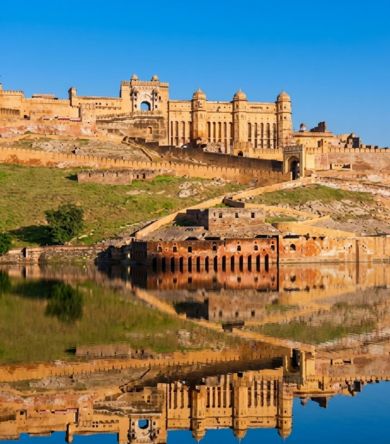
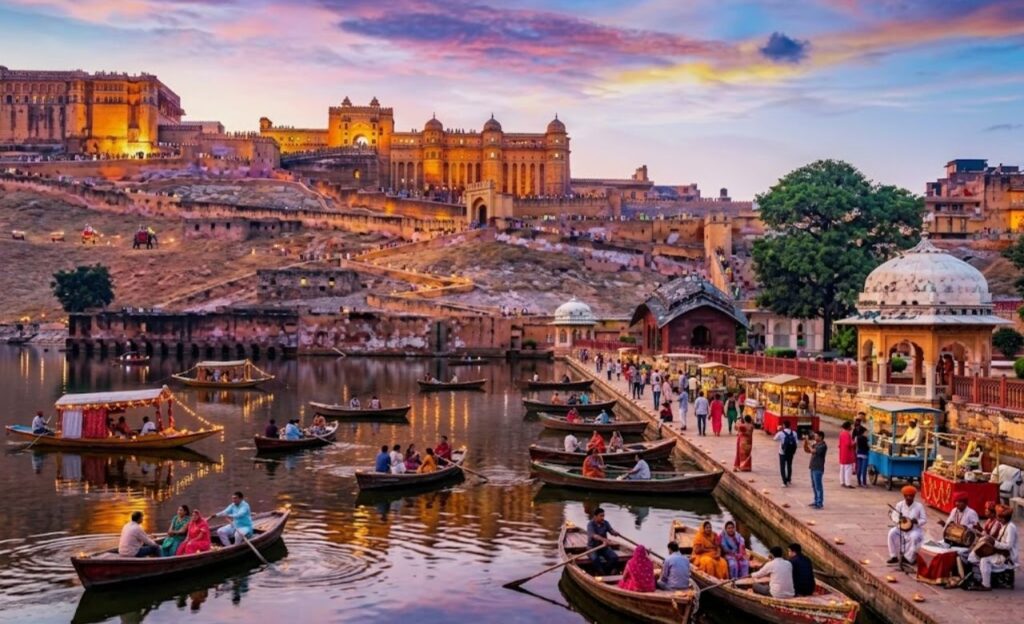
Exploring the vibrant state of Rajasthan—from the pink sandstone architecture of Jaipur and the blue lanes of Jodhpur to the tranquil lakes of Udaipur and the golden dunes of Jaisalmer—is an unforgettable experience. But arranging transportation across these long distances can quickly become confusing. Travelers often encounter very different price quotes, unclear vehicle descriptions, and varying service conditions from different taxi operators.

How to Choose a Reliable Taxi Service in Rajasthan is therefore an important question to answer before booking your journey. The right service should offer more than a competitive price. You need clear information about the driver, vehicle, total fare, inclusions, pickup arrangements, and cancellation terms before making a payment.

In this guide, you’ll learn what to check before booking, how to compare Rajasthan taxi quotes, which red flags to watch for, and when hiring a private driver may make more sense than booking separate taxis for each part of your trip.

When planning your itinerary, it is tempting to pick the lowest fare you find online or at a local stand. But in road travel, the cheapest quote is rarely the best choice. Unusually low prices often hide unexpected extra charges, older vehicles with malfunctioning air conditioning, or inexperienced drivers unfamiliar with long-distance highway conditions and tourist needs.

A smooth, safe, and stress-free journey depends heavily on driver experience, vehicle maintenance, transparent pricing structure, responsive communication, and clear booking terms. Choosing a dedicated Rajasthan private taxi service ensures that your journey across the royal state is defined by comfort, reliability, and peace of mind rather than unpleasant surprises.

By the end of this comprehensive guide, you will know exactly what credentials to check, which essential questions to ask before transferring a deposit, and how to spot critical warning signs before booking your taxi in Rajasthan.

What Makes a Taxi Service Reliable in Rajasthan?

Before committing to a cab company or private driver, travelers should look for specific indicators of operational reliability and professional standards.

Experienced and Professional Drivers

The driver is the single most critical factor in your road travel experience across North India. A reliable taxi company assigns drivers who possess:

  • In-Depth Local Route Knowledge: Familiarity with national highways (like the Delhi-Mumbai Expressway NE4, NH48, and NH58), bypasses around congested city centers, quality roadside dining options, clean rest stops, and local toll points.
  • Proven Experience with Foreign and Outstation Tourists: Understanding tourist expectations regarding punctual pickups, respectful behavior, defensive driving, and comfortable driving speeds.
  • Familiarity with Major Rajasthan Destinations: Direct experience navigating narrow heritage lanes in old cities like Jodhpur, Udaipur, or Pushkar, as well as finding hotel drop-off locations inside historic fort areas.
  • Professional Communication Skills: Ability to communicate clearly regarding meeting locations, itinerary timelines, and scheduled rest breaks.
  • Stamina for Long-Distance Journeys: A clear understanding of highway fatigue management, routine maintenance checks during multi-day drives, and safe driving protocols.

Clearly Identified Vehicles

Reliable operators provide full transparency regarding the exact vehicle class and specifications you will receive:

  • Specific Vehicle Model & Category: Explicit confirmation of whether you are booking a Sedan (e.g., Maruti Suzuki Dzire, Toyota Etios), an SUV (e.g., Toyota Innova Crysta, Maruti Ertiga), or a Tempo Traveller for larger groups.
  • Passenger Capacity: Clear guidance on how many passengers can comfortably travel without feeling cramped during 5 to 8-hour highway drives.
  • Luggage Space: Adequate boot capacity to hold all hard-shell suitcases and carry-on bags securely out of sight.
  • Air Conditioning (AC): Dual-zone or powerful cabin cooling system essential for Rajasthan’s warm climate, guaranteed to function throughout the journey (including during hill climbs or stationary waiting).
  • General Vehicle Condition: Well-maintained tires, clean interiors, functional seatbelts for all seats, and up-to-date service records.
  • Commercial Registration Details: Commercial yellow-plate registration (T-permit) with all required state transport permits and valid commercial insurance.

Transparent Pricing

A trustworthy taxi provider outlines all financial aspects upfront so that travelers know their exact budget before setting out. You should receive a clear breakdown of:

  • Total Base Fare: Calculated either on a fixed route basis or per-kilometer rate.
  • Fuel Costs: Full inclusion of petrol/diesel expenses.
  • Toll Taxes & State Entry Taxes: Clear indication of whether highway tolls and inter-state permit taxes (e.g., entering Rajasthan from Delhi or Agra) are included.
  • Parking Charges: Clarification on parking fees at airports, railway stations, monuments, and hotels.
  • Driver Charges (Driver Allowance/Bhatta): Night allowances and daily food/stay allowances for the driver.
  • Extra Kilometers & Hourly Rate: Transparent rates if you exceed the agreed distance or daily hours.
  • Waiting Time Charges: Terms regarding flight delays, train arrivals, or extended sightseeing stops.
  • Additional Sightseeing Costs: Inclusion of local city tours and en-route detour visits (such as visiting Ranakpur Jain Temple or Kumbhalgarh Fort between Jodhpur and Udaipur).

Reliable Communication

A dependable agency demonstrates customer care from the very first inquiry:

  • Prompt & Clear Pre-Booking Responses: Quick replies to emails or WhatsApp messages answering all questions directly.
  • Itemized Written Quotation: Formal breakdown of services, pricing, and inclusions sent via email or official messaging.
  • Official Booking Confirmation: A documented receipt or booking voucher detailing itinerary, payment status, and terms.
  • Advance Driver Contact Details: Provision of the assigned driver’s name, phone number, vehicle registration number, and photo at least 12–24 hours prior to pickup.
  • Dedicated Emergency Support Contact: A 24/7 helpline or manager contact available to assist in case of flight delays, vehicle breakdowns, or itinerary changes during the trip.

10 Red Flags to Avoid When Booking a Reliable Taxi Service in Rajasthan

NOTE

A single minor flaw does not automatically mean a company is fraudulent or unreliable. However, when you notice multiple warning signs occurring together, you should exercise extreme caution or look for an alternative provider.
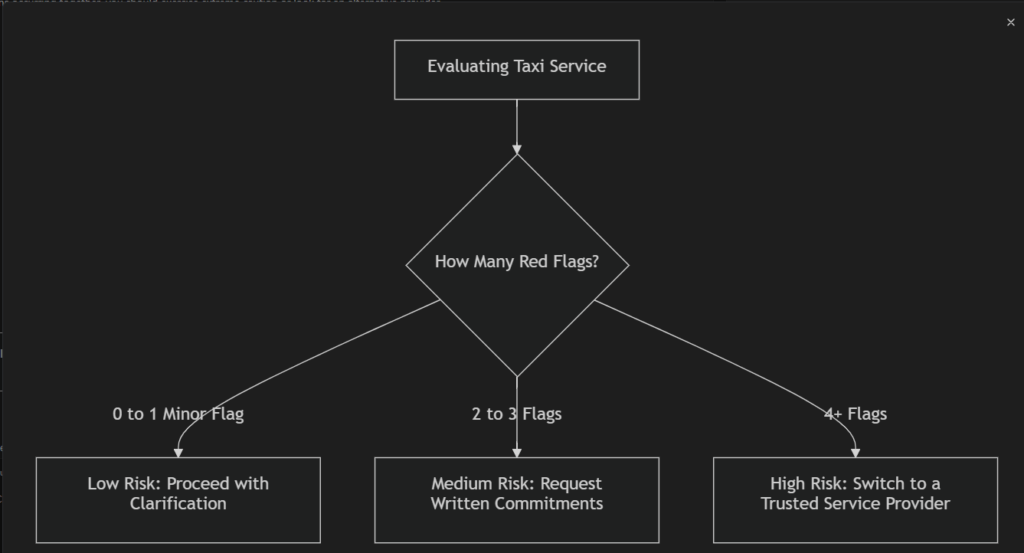
1. The Quote Is Much Cheaper Than Other Companies

If three operators quote ₹18,000 to ₹20,000 for a multi-city route and a fourth operator offers ₹11,000, alarm bells should ring.

Unusually low prices usually mean key expenses are excluded, such as toll taxes, parking fees, driver night allowances, or state entry taxes. Alternatively, the company may intend to use an older non-commercial vehicle without proper insurance, or demand extra payments midway through the trip.

What to ask:
“Is this the final, all-inclusive price? Exactly which expenses are included, and what extra charges could arise during the trip?”

2. The Company Won’t Provide Driver Information

If an operator refuses or repeatedly delays providing driver details before pickup, it often indicates they are subcontracting your booking to an unverified third-party driver at the last minute.

Travelers should always receive:

  • Driver’s full name and mobile phone number
  • Vehicle make, model, and official commercial registration number
  • Exact meeting point instructions at airport arrivals or hotel lobbies

3. Vehicle Details Are Unclear

Vague descriptions like “comfortable 4-seater car” or “luxury AC car” leave room for disappointment. You might expect a modern Toyota Innova Crysta but end up with a small hatchback with insufficient luggage space and weak air conditioning.

Questions to ask:

  • What exact make and model of vehicle will be assigned?
  • How many passengers and large suitcases can it fit comfortably?
  • Is dual air conditioning guaranteed to run throughout the entire journey?
  • Will the exact same vehicle stay with us for the duration of a multi-day itinerary?

4. The Price Has Hidden or Unclear Charges

A common trap in low-cost taxi quotes is leaving major operational costs unmentioned until the end of the journey:

ExpenseWhy It Must Be Clarified Upfront
State Permit & Toll TaxesHighway tolls in Rajasthan and inter-state permits can add significant unexpected costs if not included.
Driver Night AllowanceDrivers requiring daily allowances (typically ₹300–₹500/day) if omitted from the initial quote.
Extra KilometersLow daily kilometer limits (e.g., 200 km/day when actual travel averages 300 km/day) leading to expensive per-km surcharges.
Parking & Sightseeing FeesCharges for monument parking lots, hotel parking, or airport pickup surcharges.

Always demand an explicit statement: “No hidden charges.”

5. There Is No Written Booking Confirmation

Relying solely on phone calls or oral promises leaves you with no recourse if the taxi fails to show up or if the driver demands higher payment upon arrival.

A valid written booking confirmation must clearly display:

  • Booking date and reference number
  • Pickup location, date, and exact time
  • Complete travel itinerary and drop-off points
  • Vehicle category and model
  • Total agreed fare and advance payment received
  • Comprehensive list of included and excluded services
  • Company contact numbers and cancellation/refund policy

6. Communication Is Poor Before Booking

How a taxi company treats you during the sales phase reflects how they will support you on the road. Warning signs include:

  • Vague, delayed, or dismissive answers to basic questions
  • Changing prices multiple times without explanation
  • Refusal to document inclusions in writing
  • Agitated response when asking for vehicle photos or driver verification

7. Cancellation and Payment Terms Are Unclear

Legitimate taxi services maintain fair, transparent deposit and cancellation rules. Be wary if:

  • The operator demands 100% full advance payment days before arrival.
  • There is no stated policy for refunds if your flight is canceled or rescheduled.
  • Deposit requirements are non-refundable under all circumstances without clear justification.

8. Reviews Look Suspicious or Too Generic

Online reviews provide valuable feedback, but you must know how to evaluate them:

  • Generic Praise: Watch out for dozens of short 5-star reviews posted within a few days using identical language (e.g., “Best service good driver”).
  • Lack of Route Specifics: Trustworthy reviews mention specific drivers by name, exact routes taken (e.g., “Jaipur to Udaipur via Ranakpur”), and real travel details.
  • Single Platform Dependency: Cross-reference reviews across Google Maps, TripAdvisor, and independent travel forums rather than relying on one source.

9. The Driver or Vehicle Changes at the Last Minute Without Explanation

If you booked a specific SUV and a different smaller sedan arrives—or if a driver appears without prior notification—it shows poor management. While emergency substitutions occasionally happen due to mechanical issues, a reliable operator will contact you in advance, explain the reason, provide updated vehicle details, and ensure equal or upgraded vehicle quality.

10. There Is No Reliable Way to Contact the Company

During long-distance travel, emergencies happen—flights get delayed, weather causes road closures, or luggage gets misplaced. If a company only provides a single mobile number that goes unanswered or lacks a physical office address and business email, you risk being left stranded during late-night pickups or multi-day road tours.

What Should You Check Before Booking a Reliable Taxi Service in Rajasthan?
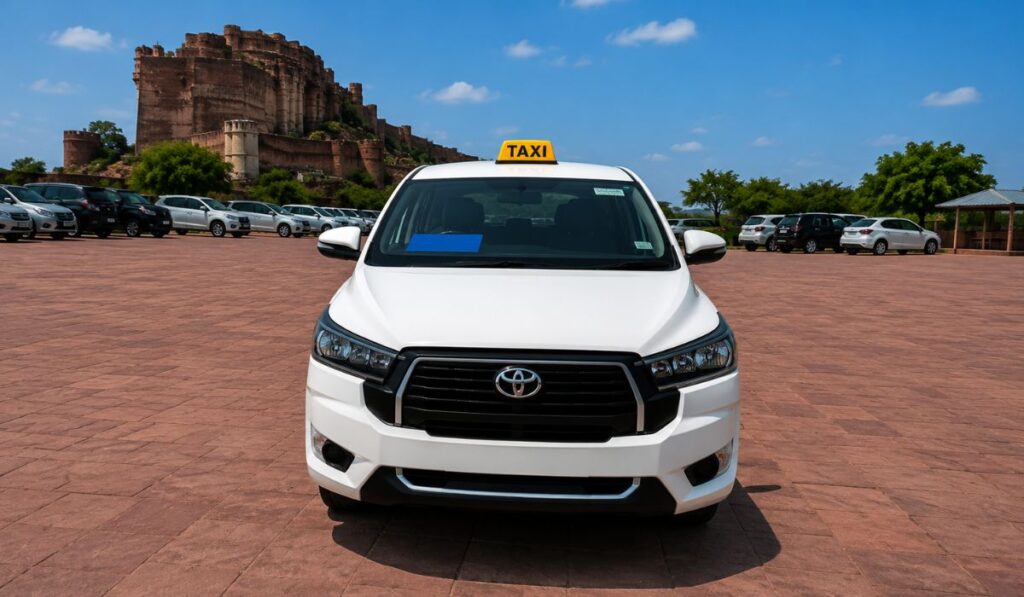
How to Choose a Reliable Taxi Service in Rajasthan: Red Flags to Avoid
Pre-Booking Checklist AuditWhat to Verify
1. Company VerificationRegistered business, domain, valid phone & email
2. Driver CredentialsCommercial license, local experience, contact details
3. Vehicle AuditT-permit, working AC, enough space for passengers & luggage
4. Financial ClarityAll-inclusive quote — fuel, tolls, driver bhatta
5. Booking VoucherWritten terms, pickup time, cancellation policy

Company Details

  • Official business registration name and address
  • Active website with working domain and transparent company profile
  • Working landline/official mobile numbers and business email addresses

Driver Details

  • Full name, phone number, and driving license confirmation
  • Outstation experience on highway routes across Rajasthan
  • Clear agreement on professional behavior, punctual pickups, and safety standards

Vehicle Details

  • Commercial registration (T-permit) yellow license plate
  • Verified passenger capacity and boot space for your group’s luggage
  • Guaranteed air conditioning performance throughout the journey

Price and Inclusions

  • Written breakdown confirming fuel, toll taxes, state permit taxes, and driver allowance
  • Clear rates for extra kilometers or extended waiting time
  • Confirmation of en-route sightseeing stops included without hidden charges

Booking Terms

  • Exact pickup time, hotel address, or airport flight details recorded
  • Advance payment receipt and remaining balance payment timeline
  • Simple cancellation, modification, and refund policy

How to Compare Reliable Taxi Service in Rajasthan Quotes Properly

Comparing taxi quotes isn’t just about looking at the bottom-line number. Understanding what goes into each price offer is essential for finding the right balance of cost and service.

Compare the Same Things

When evaluating quotes from different operators, ensure you are comparing like-for-like parameters:

  • Identical Route & Itinerary: Same starting point, intermediate stops, and final destination.
  • Exact Vehicle Category: Comparing a Toyota Innova Crysta with another Innova Crysta (not against a basic sedan).
  • Same Group Size: Equal passenger count and luggage allocation.
  • Duration & Days: Matching total operational days for multi-city travel.
  • Included Services: Verifying that both quotes include toll fees, parking, driver allowance, and state permits.

Ask “What Is Not Included?”

This single question quickly exposes hidden costs. If Operator A quotes ₹15,000 all-inclusive and Operator B quotes ₹12,000 excluding tolls, parking, and driver allowance (which come to ₹3,500), Operator A is actually the better value.

Don’t Automatically Choose the Cheapest Option

Understanding the distinction between cost and value ensures a better travel experience:

TIP

Lowest Price vs. Best Value vs. Most Suitable Service

  • Lowest Price: Often comes with older vehicles, hidden costs, unverified drivers, and strict hidden surcharges.
  • Best Value: Provides transparent, all-inclusive pricing with modern vehicles, professional drivers, and 24/7 customer support.
  • Most Suitable Service: Tailored to your specific group size, luggage requirements, and travel pace (e.g., luxury SUV for long family highway journeys).

How Much Does a Rajasthan Taxi Cost?

Because road travel requirements vary based on group size, route selection, and seasonal timing, taxi pricing in Rajasthan is customized to your itinerary rather than fixed at a single universal rate.

What Determines the Price?

  1. Total Distance & Duration: Standard outstation rates are calculated per kilometer (with a typical minimum daily billing limit of 250–300 km) or on a fixed itinerary package basis.
  2. Vehicle Category: Sedans (Dzire/Etios) are the most economical, Premium SUVs (Innova Crysta) offer mid-to-high comfort, and Executive Tempo Travellers suit large families or tour groups.
  3. One-Way vs. Round-Trip: One-way transfers require coverage for the driver’s return trip, whereas multi-day tours utilize continuous daily outstation pricing.
  4. Seasonality: Peak tourist season in Rajasthan runs from October through March, when demand increases. Off-peak summer months (April to June) may offer lower promotional rates.
  5. Highway Tolls & Local Permit Taxes: Multi-state routes (such as Delhi to Jaipur via Haryana) involve inter-state commercial vehicle entry permits.

Common Routes Travelers Compare

Travelers frequently evaluate cab services across these high-traffic Rajasthan corridors:

  • Jaipur to Jodhpur: ~330–350 km | 5.5 to 6.5 hours via NH48/NH21/NH58
  • Jaipur to Udaipur: ~390–400 km | 6.5 to 7.5 hours via NH48
  • Jodhpur to Udaipur: ~250–260 km | 4.5 to 5.5 hours (popular with en-route stops at Ranakpur Jain Temple or Kumbhalgarh Fort)
  • Jaipur to Jaisalmer: ~550–570 km | 9 to 10 hours via NH11/NH125
  • Jaipur to Pushkar: ~145–150 km | 2.5 to 3 hours via NH48
  • Delhi to Jaipur: ~270–300 km | 4.5 to 5.5 hours via NE4 (Delhi-Mumbai Expressway) or NH48

Note: Always request an itemized, updated quotation from your provider reflecting current fuel prices, toll structures, and your exact dates.

Taxi vs. Private Driver in Rajasthan: Which Is Better?

Selecting between a point-to-point taxi transfer and a dedicated private driver depends entirely on how your trip is structured.

Point-to-Point TaxiPrivate Driver Tour
Airport/Station pickupMulti-city itineraries
Single transfer (A to B)Same car & driver throughout
Short local city ridesFlexible en-route stops
No luggage storage between citiesStress-free hotel-to-hotel transfers

A Taxi Is Often Suitable For:

  • Simple airport or railway station transfers (e.g., Jaipur Airport to City Center hotel).
  • Direct point-to-point journeys without planned sightseeing stops along the way.
  • Short inner-city rides within a single town.
  • Travelers on tight, non-flexible schedules needing one-off transit.

A Private Driver Can Be Better For:

  • Multi-city itineraries exploring multiple destinations across Rajasthan over several days.
  • Frequent sightseeing, allowing you to leave luggage safely in the trunk while exploring monuments.
  • Journeys requiring flexible en-route stops at stepwells, fort ruins, or rural villages.
  • Complex Golden Triangle routes connecting Delhi, Agra, Jaipur, and beyond.

For extended multi-day itineraries, hiring a dedicated private driver in India offers unmatched convenience, flexibility, and personalized comfort compared to coordinating separate local taxis in every city.

When Does a Private Driver Make More Sense Than Separate Taxis?

To understand the practical advantage, consider a classic multi-city Rajasthan travel route:

Jaipur → Jodhpur → Udaipur → Pushkar

Option A: Booking Separate Taxis for Every Leg

  • High Coordination Stress: You must search, negotiate, and re-book four different local taxi companies or app cabs in four separate cities.
  • Inconsistent Quality: Vehicle condition, air conditioning reliability, and driver professionalism vary randomly on each leg.
  • Luggage Vulnerability: On transfer days, you cannot easily stop at intermediate attractions (like Ranakpur or Ajmer) because you have no secure place to keep your luggage before hotel check-in.
  • Strict Schedules: Delays in leaving one city can complicate your next taxi booking.

Option B: Keeping One Private Driver Throughout the Itinerary

  • Seamless Convenience: The same air-conditioned vehicle and professional driver pick you up at your hotel every morning and drop you at your next destination.
  • Complete Luggage Security: Bags stay safely locked in the boot during en-route sightseeing tours and meal stops.
  • Maximum Route Flexibility: Want to stop for photo opportunities, local tea at a roadside dhaba, or visit an ancient temple along the highway? Your driver adapts to your pace.
  • Familiarity & Trust: By day two, your driver understands your preferences for break frequencies, driving style, and temperature settings.

For seamless multi-destination road trips across North India, reserving a dedicated India private driver tour eliminates transport friction and optimizes your sightseeing time.

What to Consider When Booking Long-Distance Reliable Taxi Service in Rajasthan

Long-distance highway travel across Rajasthan involves unique considerations. Keep these factors in mind when planning outstation drives:

Long-Distance Road Travel FactorsWhat to Consider
1. Highway DistancePlan realistic 5–9-hour drive windows with mandatory rest stops.
2. Vehicle ErgonomicsSelect spacious SUVs for highway stability and legroom.
3. Rest Stop AccessConfirm driver stops at clean, tourist-friendly highway dhabas.
4. Hotel AccessEnsure the car can navigate narrow heritage lanes or coordinate rickshaw transfers.
  • Journey Distance & Realistic Travel Time: Highway travel times vary depending on road conditions, toll booth queues, and urban traffic. Avoid overly packed itineraries that require 10+ hours of driving in a single day.
  • Vehicle Comfort & Ergonomics: Select a car category that offers generous legroom and comfortable suspension. SUVs like the Toyota Innova Crysta perform exceptionally well on long highway stretches.
  • Driver Experience & Rest Protocols: Ensure your driver takes periodic breaks every 2.5 to 3 hours to maintain alertness and safety.
  • Clean Rest Stop Locations: Experienced outstation drivers know the cleanest highway plazas equipped with hygienic restrooms and reliable restaurants.
  • Luggage Accommodation: Account for all hard-shell cases and hand luggage. Never overload a vehicle beyond its designated boot capacity.
  • Pickup & Hotel Access in Old Cities: Historic centers in Jaipur, Jodhpur, and Udaipur feature extremely narrow lanes where large vehicles cannot physically reach hotel entry gates. Reliable taxi services coordinate seamless transfers using local auto-rickshaws or designated drop-off points near city gates.
  • Early-Morning or Late-Night Departures: Confirm late-night or early-morning pickup arrangements in advance to guarantee punctual driver arrival.
  • Seasonal Weather Precautions: During winter months (December to January), dense morning fog across North Indian highways can slow traffic speeds. In summer (April to June), robust air conditioning is essential.

Popular Rajasthan Routes Where Taxi Choice Matters

When planning outstation taxi travel, route-specific nuances can greatly affect your journey:

Jaipur to Jodhpur (~330-350 km | 5.5–6.5 hrs)

A smooth highway drive primarily along NH48 and NH58. A reliable cab operator will suggest starting early to avoid Jaipur city traffic and recommend clean lunch spots near Ajmer or Beawar.

Jaipur to Udaipur (~390-400 km | 6.5–7.5 hrs)

Traversing south across Rajasthan, this route offers opportunities to stop at Chittorgarh Fort. Ensuring an all-inclusive quote with toll inclusions is vital as this corridor features multiple major highway toll plazas.

Jodhpur to Udaipur (~250-260 km | 4.5–5.5 hrs)

One of the most popular scenic routes in the state. Travelers frequently incorporate en-route visits to the stunning Ranakpur Jain Temple or the formidable Kumbhalgarh Fort. Confirm upfront that your cab company includes these en-route sightseeing detours without hidden km surcharges.

Jaipur to Jaisalmer (~550-570 km | 9–10 hrs)

A long journey into the Thar Desert. Vehicle condition and air conditioning performance are paramount. Breaking the drive with an overnight stay in Jodhpur is highly recommended.

Jaipur to Pushkar (~145-150 km | 2.5–3 hrs)

A shorter inter-city drive ideal for a day trip or weekend getaway. Watch out for cab drivers who try to charge full multi-day outstation rates for a brief same-day round trip.

Delhi to Jaipur (~270-300 km | 4.5–5.5 hrs)

With the opening of the Delhi-Mumbai Expressway (NE4), travel times between the national capital and Jaipur have decreased significantly. Ensure your taxi has an active FASTag auto-toll payment module installed for rapid highway transit.

Rajasthan + Agra + Delhi (Golden Triangle Circuit)

Connecting Delhi, Agra (Taj Mahal), and Jaipur requires inter-state commercial vehicle permits (Delhi, Uttar Pradesh, and Rajasthan). Booking a licensed outstation taxi provider ensures all state border tax permits are properly filed in advance.

How to Check Whether a Rajasthan Taxi Company Is Trustworthy

Verifying a taxi provider takes only a few minutes and saves you from potential travel disruptions.

1. Check Recent Reviews

Look for verified feedback across independent platforms (Google Reviews, TripAdvisor, travel blogs):

  • Focus on reviews written within the past 3 to 6 months.
  • Look for detailed descriptions mentioning driver names, route punctuality, vehicle cleanliness, and billing honesty.
  • Check how management responds to constructive feedback or customer inquiries.

2. Check the Company’s Official Website

A professional operator maintains a clear online presence featuring:

  • Detailed service offerings and vehicle fleet descriptions
  • Transparent contact information (business address, phone numbers, email)
  • Clear terms of service, payment methods, and cancellation guidelines

3. Evaluate Direct Communication

Observe the quality of interactions during your initial inquiries:

  • Are their written responses clear, polite, and comprehensive?
  • Do they provide explicit answers regarding pricing, inclusions, and vehicle models?
  • Are they willing to issue a formal written quote and booking voucher?

Rajasthan Taxi Safety Tips for Tourists

To maximize safety and peace of mind during your road travel in India, keep these practical tips in mind:

  • Verify Before Boarding: Confirm the driver’s name, phone number, and vehicle registration plate match your booking confirmation before getting into the car.
  • Keep Documents Accessible: Store digital and physical copies of your booking confirmation, driver details, hotel vouchers, and identification.
  • Share Trip Status: Share your driver’s contact details, vehicle registration number, and live location with a friend or family member.
  • Secure Important Belongings: Keep passports, electronics, wallets, and vital medications in your small carry-on bag at your seat rather than in the main boot luggage.
  • Confirm Pickup Points: Reconfirm exact meeting points (such as specific airport exit gates or hotel lobbies) 12 hours before pickup.
  • Save Support Helplines: Save your taxi company’s 24/7 manager contact number on your phone for immediate assistance if needed.
  • Coordinate Odd-Hour Departures: For early-morning (before 6:00 AM) or late-night pickups, reconfirm driver availability the evening before.
  • Avoid Unverified Side Trips: If a driver insists on taking you to unauthorized shopping emporiums or unrequested detours, politely decline and refer back to your confirmed itinerary.

Taxi Transfer vs. Sightseeing vs. Multi-Day Private Tour

Understanding service categories prevents misunderstandings regarding what your booking includes:

Service ModelDescription
Point-to-Point TransferDirect transport from Point A to Point B. Driver departs after drop-off.
Local City SightseeingDedicated car & driver for half/full-day city limits (e.g., 8 hrs/80 km).
Multi-Day Private TourContinuous vehicle & driver for your entire multi-city regional itinerary.
  1. Point-to-Point Transfer: Pure A-to-B transportation (e.g., Jaipur Hotel to Jodhpur Hotel). The service ends immediately upon drop-off; local sightseeing in either city is not included.
  2. Local Sightseeing: Cab hired for a dedicated period (e.g., 8 hours / 80 km) to visit attractions within a single city’s boundary.
  3. Multi-Day Private Tour: The vehicle and driver remain assigned to your party exclusively across multiple cities and days, handling inter-city transfers, en-route sightseeing, local city tours, and hotel drop-offs continuously.

Always verify that your booking voucher explicitly reflects the exact service model you expect.

Common Mistakes Travelers Make When Booking a Reliable Taxi Service in Rajasthan

  1. Choosing Solely Based on the Lowest Headline Price: Ignoring vehicle condition, driver experience, and safety standards to save a small amount.
  2. Not Clarifying Price Inclusions: Assuming fuel, highway tolls, parking fees, and driver allowances are included when they are not.
  3. Failing to Specific Vehicle Category: Accepting generic terms like “4-seater sedan” without specifying exact models like Dzire, Etios, or Innova.
  4. Not Requesting Driver Details Upfront: Boarding a vehicle with an unverified, unconfirmed driver.
  5. Relying on Oral Promises: Accepting verbal price quotes over the phone without written email or messaging documentation.
  6. Ignoring Cancellation & Deposit Terms: Not knowing whether your advance deposit is refundable in case of schedule changes.
  7. Assuming En-Route Sightseeing Is Included: Expecting free stops at attractions (e.g., Ranakpur between Jodhpur and Udaipur) without confirming detours in writing.
  8. Underestimating Luggage Volume: Renting a compact car for 4 passengers traveling with large hard-shell suitcases.
  9. Booking Disjointed Local Taxis: Organizing separate cabs for every leg instead of evaluating a continuous private driver service for multi-city trips.
  10. Not Keeping Company Emergency Helplines: Failing to save the main agency’s management contact for real-time trip support.

Reliable Taxi Service in Rajasthan Booking Checklist

Use this interactive checklist before making your final payment:

  •  Company Credentials Verified: Business name, official website, domain, and phone numbers confirmed.
  •  Driver Name Received: Full name of driver documented.
  •  Driver Contact Received: Mobile number saved on phone.
  •  Vehicle Type Specified: Make, model, and category (e.g., Toyota Innova Crysta) explicitly recorded.
  •  Vehicle Capacity Verified: Confirmed comfortable seating for all passengers.
  •  Luggage Boot Space Confirmed: Vehicle trunk verified to hold all baggage.
  •  Pickup Location & Time Recorded: Exact hotel address or airport terminal exit specified.
  •  Destination Points Detailed: Complete city itinerary outlined.
  •  Total Agreed Price Documented: Overall fare confirmed in writing.
  •  Fuel Inclusion Confirmed: Petrol/diesel costs 100% included.
  •  Toll Taxes Included: Highway toll fees verified as included.
  •  Parking Charges Clarified: Monument and airport parking rules understood.
  •  Extra-Kilometer Rates Specified: Per-km charge documented in case distance limits are exceeded.
  •  Waiting Time Policy Understood: Delays or flight waiting terms clarified.
  •  En-Route Sightseeing Confirmed: Planned intermediate stops documented in itinerary.
  •  Cancellation Policy Checked: Refund rules for flight delays or date changes reviewed.
  •  Payment Schedule Understood: Advance deposit amount and balance payment terms agreed.
  •  Written Booking Voucher Received: Formal confirmation document saved digitally.
  •  24/7 Emergency Support Contact Saved: Agency manager phone number stored.

Questions to Ask Before Paying for a Reliable Taxi Service in Rajasthan

Keep this 12-question cheat sheet handy during your pre-booking communications:

  1. What is the final, total price for my entire itinerary?
  2. What exact expenses are included in this price (fuel, tolls, parking, driver allowance)?
  3. Are there any excluded costs or extra charges that could arise during the journey?
  4. Which vehicle make and model will be assigned for my trip?
  5. Will I receive the driver’s name, phone number, and vehicle registration plate before pickup?
  6. Are all highway toll taxes and inter-state permit fees included in this quote?
  7. Are parking fees at airports, hotels, and tourist monuments included?
  8. What is the extra-kilometer rate if we exceed the planned distance?
  9. Are intermediate en-route sightseeing stops included in the agreed itinerary?
  10. What is your policy if my flight, train, or schedule is delayed?
  11. What are the exact cancellation and deposit refund terms?
  12. Who is my primary 24/7 management contact if I need assistance during the trip?

FAQs – How to Choose a Reliable Taxi Service in Rajasthan

How can I find a reliable taxi service in Rajasthan?

Look for providers offering transparent, all-inclusive written quotes, clear driver and vehicle details prior to pickup, strong recent customer reviews across independent platforms, and responsive customer communication.

What are the biggest red flags when booking a Rajasthan taxi?

The major red flags include quotes far below market rates, refusal to provide driver or vehicle details, hidden charges (such as tolls or driver allowances omitted from quotes), lack of written booking confirmation, and absent customer support contacts.

Should I choose the cheapest reliable taxi service in Rajasthan?

No. Unusually cheap quotes often hide excluded costs (tolls, parking, driver allowances), older vehicles with poor air conditioning, unverified drivers, or unexpected price hikes mid-trip. Prioritize overall value and pricing transparency over the lowest headline number.

Is it better to hire a taxi or private driver in Rajasthan?

For single airport transfers or direct point-to-point journeys, a local taxi is sufficient. For multi-city, multi-day itineraries across Rajasthan, hiring a dedicated private driver is significantly more comfortable, convenient, and cost-effective.

What should be included in a Rajasthan taxi quote?

A comprehensive outstation taxi quote should explicitly cover vehicle hire, fuel, highway tolls, state entry permits, parking charges, driver allowances (bhatta), and all scheduled itinerary sightseeing stops.

Is a private driver useful for a multi-city Rajasthan tour?

Yes. Having one dedicated car and driver throughout a multi-city journey (e.g., Jaipur to Jodhpur to Udaipur) ensures seamless hotel pickups, complete luggage security during en-route sightseeing, total route flexibility, and consistent service quality.

How far in advance should I book a Rajasthan taxi?

During the peak travel season (October through March), it is advisable to book 2 to 4 weeks in advance—especially if you require popular vehicle models like a Toyota Innova Crysta or a Tempo Traveller. Off-peak bookings can typically be arranged a few days prior.

What information should I receive before my Rajasthan taxi pickup?

At least 12 to 24 hours prior to departure, you should receive your booking confirmation voucher, the driver’s full name and phone number, the vehicle’s model and commercial license plate number, and exact pickup location instructions.

Final Takeaway: Choose Transparency Over the Lowest Price

Navigating Rajasthan’s royal cities and desert highways should be an inspiring travel experience, free from transport anxiety. When selecting your ground transportation, remember that clarity, safety, and operational reliability are far more valuable than a deceptive discount.

A dependable taxi operator ensures that you feel fully informed and confident before your journey begins. Before transferring any payment, ensure you have complete clarity on:

  • Who is driving you: Professional, licensed outstation driver with verified experience.
  • What vehicle you are getting: Clean, commercial yellow-plate vehicle with functional AC and adequate luggage boot space.
  • Where and when you will be met: Exact pickup time and location pre-confirmed.
  • What you are paying: Transparent, itemized breakdown of costs.
  • What is included: Clear statement covering fuel, tolls, parking, driver allowances, and sightseeing.
  • What happens if plans change: Fair, documented cancellation and delay policies.
  • Who to contact: 24/7 dedicated agency helpline for real-time support.

Whether you need seamless point-to-point transfers or a customized multi-day road adventure across North India, choose a provider committed to upfront honesty and top-tier service.

Ready to explore Rajasthan in comfort and safety? Discover our curated Rajasthan Tour Packages or book a dependable Rajasthan private taxi service today to enjoy a tailored, worry-free journey across India’s most enchanting state.
Quick Answer

The best time to visit Rajasthan is from October to March, when daytime temperatures range from 20–30°C (68–86°F) and nights are cool at 5–15°C (41–59°F). November and February offer the sweet spot — excellent weather with slightly fewer crowds than December–January. The cheapest months are April–September (summer and monsoon), though summer heat exceeds 45°C in desert areas. Best for honeymoon: October (post-monsoon greenery, full lakes, quieter palaces). Best for wildlife: April–June (Ranthambore tiger sightings peak as animals gather at water sources). Best for photography: September–October (desert turns briefly green, dramatic skies) and November–February (crisp winter light).


Key Takeaways

CategoryBest Time
Best OverallNovember, February (ideal weather, manageable crowds)
Cheapest TimeApril–September (summer heat + monsoon)
Peak SeasonDecember–January (coolest weather, highest prices, biggest crowds)
Shoulder SeasonOctober, March (good value, warm but manageable)
Off SeasonApril–June (extreme heat, lowest prices)
Best for FamiliesNovember–February (comfortable weather, flat terrain, kid-friendly activities)
Best for CouplesOctober–November (romantic weather, full lakes, quieter palaces)
Best for Luxury TravelDecember–January (heritage hotels at their finest, clear skies)
Best for Desert SafariNovember–February (cool days, cold clear nights)
Best for WildlifeApril–June (animals gather at water sources in Ranthambore)

Introduction

Best Time to Visit Rajasthan

Rajasthan is India’s most regal state — a land of maharajas, magnificent forts, golden deserts, and palaces that seem to float on lakes. But here’s the thing: Rajasthan’s weather is extreme, and choosing the wrong time to visit can turn your dream vacation into a dusty, sweaty ordeal.

Timing matters more in Rajasthan than almost anywhere else in India. The Thar Desert scorches at over 45°C in summer, while winter nights in Jaisalmer can drop to near-freezing. Monsoon transforms the landscape briefly green, and festivals like the Pushkar Camel Fair draw crowds from around the world.

Ask ten people when to visit and most will say “winter” and stop there — which is true, but it’s only half the story. The best time to visit Rajasthan depends on whether you prioritize pleasant weather, festivals, wildlife, photography, or lower prices. This guide breaks down every month, every festival, and every travel style so you can make the right choice.

Ready to plan your royal adventure? Explore our Rajasthan Tour Packages for expertly crafted itineraries.


Rajasthan Weather at a Glance

SeasonMonthsDay TempNight TempCrowdsHotel PricesBest For
WinterNov–Feb20–30°C5–15°CPeakHighestSightseeing, festivals, desert camping
SummerApr–Jun35–45°C+25–30°CVery lowLowestBudget travel, wildlife (Ranthambore)
MonsoonJul–Sep30–38°C24–28°CLowLowGreenery, photography, Udaipur lakes

Rajasthan Weather by Month

January

Weather: Cool and dry — the coolest month of the year. Days are pleasant at 23°C (73°F), but nights can drop to 9°C (48°F). Rain is virtually absent (6% of days).

Crowd Level: Peak season — the busiest month after December.

Average Temperature: 23°C day / 9°C night.

Best Cities: All cities are at their best. Jaisalmer, Jodhpur, Udaipur, and Jaipur all score 10/10.

Festivals: Desert Festival in Jaisalmer (January 30 – February 1, 2026).

Activities: Fort exploration, desert camping under clear cold skies, photography in crisp winter light.

Photography: Excellent — clear blue skies, golden winter light, comfortable conditions for extended shoots.

Who Should Visit: First-time visitors, families, luxury travelers, photographers.

Packing Tips: Layers are essential. Light cotton for daytime, warm jacket, scarf, and gloves for chilly desert nights.


February

Weather: Warming slightly but still excellent. Days at 27°C (81°F), nights at 12°C (54°F). Very low rainfall.

Crowd Level: High — still peak season but slightly fewer crowds than January.

Average Temperature: 27°C day / 12°C night.

Best Cities: All cities score 10/10.

Festivals: Desert Festival continues (Jan 30 – Feb 1).

Activities: Rooftop dining, palace tours, boat rides on Lake Pichola in Udaipur.

Photography: Excellent — temperatures of 14–27°C make it perfect for all-day shooting.

Who Should Visit: All travelers — one of the two best months overall.

Packing Tips: Light clothing for days, a jacket and scarf for evenings.


March

Weather: Warming significantly — 33°C (91°F) days, 18°C (64°F) nights. March 2026 saw temperatures cross 40°C in 14 Rajasthan cities, breaking records.

Crowd Level: Moderate — shoulder season.

Average Temperature: 33°C day / 18°C night.

Best Cities: Jaipur, Jodhpur score 8/10; Udaipur 8/10; Jaisalmer 8/10.

Festivals: Holi (Dhulandi) — March 3, 2026. Braj Holi Festival in Bharatpur (March 26–27). Gangaur Fair in Jaipur (March 21–22).

Activities: Holi celebrations are spectacular across Rajasthan. Front-load your trip — early March is comfortable, late March gets hot.

Photography: Good in early March; challenging by month-end due to heat haze.

Who Should Visit: Festival lovers, photographers wanting Holi shots, budget travelers seeking shoulder season value.

Packing Tips: Light cotton for days, a light jacket for evenings. Sun protection essential.


April

Weather: Hot — 38°C (100°F) days, 24°C (75°F) nights. Heat builds fast. April 2026 saw temperatures reaching 44°C in parts of Rajasthan.

Crowd Level: Low — most tourists avoid the heat.

Average Temperature: 38°C day / 24°C night.

Best Cities: Not recommended. Jaisalmer and Jodhpur score only 4/10; Udaipur scores 6/10.

Festivals: Few major festivals.

Activities: Limited to early morning and late afternoon sightseeing. Wildlife viewing in Ranthambore improves as animals gather at water sources.

Photography: Poor — harsh light, heat haze.

Who Should Visit: Budget travelers (hotels drop rates significantly), wildlife enthusiasts (tiger sightings peak in Ranthambore).

Packing Tips: Lightweight cotton, wide-brim hat, sunscreen, sunglasses. Hydration is critical.


May

Weather: Extreme — 42°C (108°F) days, 28°C (82°F) nights. Jaisalmer can hit 50°C — the Thar Desert at its fiercest.

Crowd Level: Very low.

Average Temperature: 42°C day / 28°C night.

Best Cities: All cities score 2/10 — not recommended.

Festivals: Few.

Activities: Very limited — heatstroke is a real risk. Avoid outdoor activity between 11 AM and 5 PM.

Photography: Poor.

Who Should Visit: Only serious budget travelers who can tolerate extreme heat, or wildlife photographers targeting Ranthambore.

Packing Tips: Lightest possible clothing, multiple water bottles, electrolyte powders. Avoid this month if possible.


June

Weather: Pre-monsoon heat — 40°C (104°F) days, 28°C (82°F) nights. Rajasthan recorded 154–187% excess rainfall in June 2026, bringing some relief from heat but also localized flooding.

Crowd Level: Very low.

Average Temperature: 40°C day / 28°C night.

Best Cities: All cities score 2/10.

Festivals: Few.

Activities: Limited — pre-monsoon dust storms and occasional rain.

Photography: Poor.

Who Should Visit: Budget travelers who don’t mind heat and occasional rain.

Packing Tips: Lightweight clothing, umbrella or rain jacket for sudden downpours.


July

Weather: Monsoon arrives — 34°C (93°F) days, 26°C (79°F) nights. Jaipur receives 150–200mm of rain across 12–15 days.

Crowd Level: Low.

Average Temperature: 34°C day / 26°C night.

Best Cities: Udaipur scores 6/10; Jaisalmer and Jodhpur score 4/10.

Festivals: Few major festivals.

Activities: Udaipur’s lakes are full and beautiful. Fort explorations can be slippery. Some flooding in old town lanes.

Photography: Good for dramatic monsoon skies and greenery.

Who Should Visit: Budget travelers, photographers wanting unique monsoon shots, those who don’t mind humidity.

Packing Tips: Rain jacket, waterproof shoes, umbrella.


August

Weather: Wettest month — 32°C (90°F) days, 25°C (77°F) nights. The monsoon season officially runs through August.

Crowd Level: Low.

Average Temperature: 32°C day / 25°C night.

Best Cities: Udaipur scores 6/10; Jaisalmer and Jodhpur score 4/10.

Festivals: Independence Day (August 15).

Activities: Lush landscapes, full lakes, but heavy rain can disrupt travel.

Photography: Excellent for greenery and dramatic skies.

Who Should Visit: Budget travelers, photographers.

Packing Tips: Rain gear essential. Lightweight, quick-dry clothing.


September

Weather: Monsoon retreats — 34°C (93°F) days, 24°C (75°F) nights. Temperatures hover around 30°C with decreasing humidity. The desert turns briefly green.

Crowd Level: Low to moderate.

Average Temperature: 34°C day / 24°C night.

Best Cities: Udaipur scores 8/10; Jaisalmer and Jodhpur score 6/10.

Festivals: Few.

Activities: Udaipur’s lakes remain gloriously full, hills stay emerald green. Tourist facilities start reopening. Post-monsoon greenery around Mehrangarh Fort is unusual and beautiful.

Photography: Excellent — the desert’s brief green period, dramatic skies, clear light.

Who Should Visit: Photographers, budget travelers, those wanting to see Rajasthan’s green side.

Packing Tips: Light clothing, light jacket for evenings.


October

Weather: Shoulder season begins — 35°C (95°F) days, 20°C (68°F) nights. Post-monsoon countryside is still partially green.

Crowd Level: Rising — good shoulder season.

Average Temperature: 35°C day / 20°C night.

Best Cities: All cities score 10/10.

Festivals: Diwali (October or November — decorations, fireworks, special prayers at Pushkar Lake).

Activities: Udaipur’s Lake Pichola at its most beautiful. Palaces quieter than any other dry-season month. Fort exploration comfortable at dawn/dusk.

Photography: Excellent — post-monsoon clarity, golden light.

Who Should Visit: Honeymoon couples, photographers, value-seeking travelers.

Packing Tips: Light clothing for days, light jacket for evenings.


November

Weather: Peak season begins — 28°C (82°F) days, 13°C (55°F) nights. Clear skies, minimal rain.

Crowd Level: Peak begins.

Average Temperature: 28°C day / 13°C night.

Best Cities: All cities score 10/10.

Festivals: Pushkar Camel Fair — November 22–23, 2026. The most famous festival in Rajasthan.

Activities: Desert camping perfect — cold clear nights, warm days. Fort exploration comfortable all day. Peak season for camel safaris.

Photography: The best month overall (score 9.1/10) — crisp air, clear skies, perfect light.

Who Should Visit: Everyone — this is the best month to visit Rajasthan for most travelers.

Packing Tips: Layers — warm days, cold nights. Jacket essential.


December

Weather: Peak winter — 23°C (73°F) days, 8°C (46°F) nights. Cold nights, clear blue-sky days.

Crowd Level: Peak — busiest month.

Average Temperature: 23°C day / 8°C night.

Best Cities: All cities score 10/10.

Festivals: Christmas and New Year celebrations.

Activities: Fort exploration, desert camping, palace tours. Book hotels and packages well ahead — prices peak and availability is tight.

Photography: Excellent — crisp winter light, clear skies.

Who Should Visit: Families, luxury travelers, first-time visitors who don’t mind crowds.

Packing Tips: Warm layers, jacket, gloves, scarf — desert nights are genuinely cold.


Best Time to Visit Rajasthan by Travel Style

Best Time to Visit Rajasthan

Couples & Honeymooners

Best: October–November. Post-monsoon greenery, full lakes (Udaipur’s Lake Pichola at its most beautiful), palaces quieter than any other dry-season month. Also good: February for comfortable weather and fewer crowds than December–January.

Families

Best: November–February. Rajasthan is India’s best family destination — flat terrain, camels, forts, palaces, lake boats — kids love it all. Avoid: April–June. The heat is not something to manage around — it’s something to avoid entirely.

Senior Travelers

Best: October–March. Comfortable temperatures, easy accessibility at major sites. Avoid summer heat and monsoon slippery conditions.

Solo Travelers

Best: November–February. Peak season means plenty of fellow travelers to meet. Safe, well-trodden circuit.

Friends & Groups

Best: November–February. Perfect weather for fort-hopping, desert camping, and festival experiences.

Luxury Travelers

Best: December–January. Heritage hotels at their finest, clear skies, every day dawns bright and blue. Book well ahead.

Foreign Tourists

Best: October–March. International flights connect easily, tourist infrastructure fully operational, comfortable sightseeing conditions.

Budget Travelers

Best: July–September (monsoon) or April–June (summer). Hotels drop rates up to 70%. September offers the best value — monsoon retreats, greenery remains, prices still low.

Wildlife Lovers

Best: April–June. Tiger sightings in Ranthambore peak as animals gather at shrinking water sources. The park is open October–June.

Photographers

Best: September–October (monsoon retreat, desert turns green, dramatic skies) and November–February (crisp winter light, clear skies).


Best Time to Visit Each Rajasthan City

Jaipur (The Pink City)

Best months: October–March. November and February are ideal — clear skies, comfortable temperatures, fewer crowds than December.
Why visit then: Amber Fort, Hawa Mahal, and City Palace are comfortable to explore.
Weather: 10–27°C in winter; 33–42°C in summer.
Major attractions: Amber Fort, City Palace, Hawa Mahal, Jantar Mantar, Nahargarh Fort.

Udaipur (The City of Lakes)

Best months: September–March. September offers post-monsoon greenery and full lakes with fewer crowds. October–November is peak romance — Lake Pichola at its most beautiful.
Why visit then: Lakes are full, hills green, palace views spectacular.
Weather: 14–30°C in winter.
Major attractions: City Palace, Lake Pichola, Jag Mandir, Fateh Sagar Lake, Monsoon Palace.

Jodhpur (The Blue City)

Best months: October–March. Mehrangarh Fort is walkable in winter; ramparts become an oven by 10 AM in summer.
Why visit then: Blue City is comfortable to explore, fort views spectacular.
Weather: 10–27°C in winter.
Major attractions: Mehrangarh Fort, Jaswant Thada, Umaid Bhawan Palace, Clock Tower Market.

Jaisalmer (The Golden City)

Best months: November–February. Jaisalmer Fort glows golden in winter light. December–January are peak for desert camping under clear cold skies.
Why visit then: Desert temperatures are bearable, camping magical.
Weather: 5–23°C in winter; can hit 50°C in summer.
Major attractions: Jaisalmer Fort (Sonar Quila), Patwon Ki Haveli, Sam Sand Dunes, Gadisar Lake.

Pushkar

Best months: November (for the Pushkar Camel Fair); October–March for general sightseeing.
Why visit then: The fair is Rajasthan’s most famous festival.
Weather: 12–28°C in November.
Major attractions: Pushkar Lake, Brahma Temple, camel fair grounds, local markets.

Bikaner

Best months: October–March. The desert city is comfortable in winter; camel safari weather is ideal.
Why visit then: Junagarh Fort and Karni Mata temple comfortable all day.
Weather: 5–25°C in winter.
Major attractions: Junagarh Fort, Karni Mata Temple (rat temple), camel breeding farm.

Mount Abu (Rajasthan’s Only Hill Station)

Best months: October–March. September is also excellent for post-monsoon greenery and flowing waterfalls.
Why visit then: Pleasant temperatures, Dilwara Temples comfortable, Nakki Lake calm.
Weather: 10–26°C in winter.
Major attractions: Dilwara Temples, Nakki Lake, Sunset Point, Guru Shikhar.

Ranthambore National Park

Best months: October–June (park open). Best for tiger sightings: April–June when animals gather at water sources. Best for comfort: November–February (pleasant weather).
Why visit then: Tiger sightings peak in summer; comfort peaks in winter.
Weather: Varies by season.
Major attractions: Tiger safaris, Ranthambore Fort, Padam Talao.

Chittorgarh

Best months: October–March. The massive fort covers 700 acres and requires comfortable weather for exploration.
Why visit then: Fort exploration is manageable in cool weather.
Weather: 12–30°C in winter.
Major attractions: Chittorgarh Fort, Vijay Stambh, Kirti Stambh, Padmini Palace.

Kumbhalgarh

Best months: November–February. The fort wall walk and light show are best in clear, cool weather.
Why visit then: Ideal 12–28°C range, clear skies.
Weather: 12–28°C in winter.
Major attractions: Kumbhalgarh Fort (world’s second-longest wall), Badal Mahal.


Rajasthan Festivals Calendar

Best Time to Visit Rajasthan
Festival2026 DateLocationWhy VisitTravel Tips
Desert FestivalJan 30 – Feb 1JaisalmerFolk performances, camel races, turban-tying competitionsBook accommodation months ahead
Jaipur Literature FestivalJanuaryJaipurWorld’s largest free literary festivalArrive early for sessions
Gangaur FairMarch 21–22JaipurColorful processions celebrating springGreat for photography
Holi (Dhulandi)March 3StatewideThe festival of colors — Jaipur and Jodhpur celebrations are world-famousWear old clothes, protect cameras
Braj HoliMarch 26–27BharatpurTraditional Holi celebrationsMore authentic than city celebrations
Teej FestivalJuly–AugustStatewideMonsoon festival, swinging processionsBest in Jaipur
Independence DayAugust 15StatewideNational celebrationsMajor monuments illuminated
DiwaliOctober–NovemberStatewideFestival of lights — decorations, fireworksBook accommodation well ahead
Pushkar Camel FairNovember 22–23PushkarRajasthan’s most famous fair — camel trading, folk music, cultural performancesBook 6 months ahead — hotels fill up

Best Time for Popular Activities

ActivityBest MonthsWhy
Camel SafariNovember–FebruaryCool days, cold clear nights; perfect for desert camping
Desert CampingNovember–FebruaryClear skies, comfortable temperatures
Tiger Safari (Ranthambore)April–JuneAnimals gather at water sources; sightings peak
Palace ToursOctober–MarchComfortable temperatures for extended walking
Heritage WalksNovember–FebruaryCool weather, clear skies
Boat Ride in UdaipurSeptember–MarchLakes are full and beautiful
Hot Air BalloonNovember–FebruaryClear skies, minimal wind
PhotographySeptember–October (green desert), November–February (crisp winter light)Unique conditions in each season
ShoppingYear-roundCovered bazaars operate in all weather; winter is more comfortable
Cultural ShowsYear-roundIndoor performances unaffected by weather

Which Month Should You Visit? (Decision Guide)

If you want…Choose…
Pleasant weatherNovember or February
Green landscapesSeptember (monsoon retreat, desert briefly green)
Luxury vacationDecember–January (heritage hotels at their finest)
Budget tripJuly–September (lowest prices) or April–June (heat)
Romantic honeymoonOctober (post-monsoon greenery, full lakes, quieter palaces)
Family vacationNovember–February (comfortable, kid-friendly)
PhotographySeptember–October (dramatic skies, green desert) or November–February (crisp light)
FestivalsMarch (Holi), November (Pushkar Fair), January–February (Desert Festival)
WildlifeApril–June (tiger sightings peak in Ranthambore)
Desert experienceNovember–February (cool days, clear nights)

Rajasthan Crowd Calendar

MonthTourist CrowdsHotel AvailabilityAttraction Wait Time
JanuaryPeakLimitedLong queues
FebruaryHighModerateModerate queues
MarchModerateGoodShort queues
AprilLowExcellentNo queues
MayVery lowExcellentNo queues
JuneVery lowExcellentNo queues
JulyLowExcellentNo queues
AugustLowExcellentNo queues
SeptemberLow–ModerateGoodShort queues
OctoberRisingGoodShort queues
NovemberPeak beginsLimitedModerate queues
DecemberPeakVery limitedLong queues

The most crowded months are October to March, with special peaks during Diwali, Pushkar Fair, Christmas, and New Year.


Rajasthan Hotel Prices by Season

Peak Season (December–January): Highest prices. Heritage hotels book out months in advance. Expect to pay 2–3x off-season rates.

Shoulder Season (October, March): Good value. Rates are lower than peak, weather is still comfortable.

Off Season (April–September): Lowest prices. Hotels drop rates up to 70%. September offers the best value — monsoon retreats, greenery remains, prices still low.

Money-saving tips:

  • Book 3–6 months ahead for peak season
  • Travel in September for the best value-to-weather ratio
  • Consider heritage havelis instead of 5-star palaces
  • Book directly with hotels or through local tour operators

Cheapest Time to Visit Rajasthan

The cheapest time to visit Rajasthan is July–September (monsoon season) and April–June (summer heat).

Cost CategoryPeak Season (Dec–Jan)Off Season (Jul–Sep)
FlightsHighest30–50% lower
HotelsHighest50–70% lower
Tour pricesHighest20–40% lower
Taxi/DriverHighestNegotiable

Best value month: September. Monsoon retreats, the desert turns briefly green, tourist facilities reopen, and prices haven’t yet risen to peak season levels.

For travelers comparing value, our Rajasthan Tour Packages offer competitive rates across all seasons.


Sample Rajasthan Itineraries by Season

5 Days (Winter Recommended)

Delhi → Jaipur (2 days) → Agra (Taj Mahal) → Delhi. Best in November–February.

7 Days

Delhi → Jaipur (2 days) → Jodhpur (2 days) → Udaipur (2 days) → Delhi. Best in October–March.

10 Days

Recommended: Delhi → Agra (Taj Mahal) → Jaipur → Jodhpur → Udaipur → Delhi. This itinerary covers the Golden Triangle plus Rajasthan’s two most iconic cities.

For first-time visitors wanting a broader North India experience, explore our Delhi Agra Jaipur Jodhpur Udaipur Tour (10 Days). This tour covers major destinations and is perfect for first-time travelers.

13 Days

Recommended: Delhi → Agra → Jaipur → Bikaner → Jaisalmer → Jodhpur → Udaipur → Delhi. This is the complete Rajasthan circuit.

For travelers wanting an in-depth journey covering Rajasthan’s major heritage cities, our Ultimate Classical Rajasthan Tour (13 Days) takes you through Delhi, Agra, Jaipur, Bikaner, Jaisalmer, Jodhpur, and Udaipur. It’s ideal for those who want to experience Rajasthan’s full cultural and historical richness.


Common Mistakes Travelers Make

Visiting Jaisalmer in May: Jaisalmer can hit 50°C in May. Fort sandstone burns bare feet. This isn’t discomfort — it’s dangerous.

Underestimating winter nights: Desert nights in December–January can drop to near-freezing (5–8°C). Pack warm layers even if you’re from a cold climate.

Booking late during peak season: December–January hotels book out months in advance. Book at least 3–6 months ahead.

Ignoring festival dates: Arriving during Pushkar Fair without a hotel booked is a disaster. Check the festival calendar before booking.

Packing incorrect clothing: Summer requires lightweight cotton and sun protection. Winter requires layers, jackets, and warm accessories. Don’t pack for one season only.

Not factoring in travel times: Rajasthan is a large state — distances between cities can be 3–6 hours. Plan accordingly.

Assuming all Rajasthan is the same temperature: Desert cities like Jaisalmer and Bikaner run hotter by day and colder by night than Jaipur.


Local Travel Tips

Clothing:

  • Winter (Oct–Mar): Layers are essential. Light cotton for days, warm jacket, scarf, and gloves for nights
  • Summer (Apr–Jun): Lightweight, light-colored cotton and linen. Wide-brim hat, sunscreen, sunglasses
  • Monsoon (Jul–Sep): Rain jacket, waterproof shoes, quick-dry clothing
  • General: Modest clothing is appreciated — loose cotton kurtas, linen shirts, and trousers work best

Hydration: Carry water bottles everywhere. In summer, dehydration is a serious risk. Add electrolyte powders to your water.

Transport: Private AC cars are the most comfortable way to travel between cities. Book through reputable operators.

Desert etiquette: Respect local customs. Ask permission before photographing people. Dress modestly in rural areas.

Festival planning: Book accommodation 3–6 months ahead for major festivals like Pushkar Fair and Desert Festival.

Photography tips:

  • Sunrise and sunset offer the best light for forts and palaces
  • The Taj Mahal and Amber Fort are best photographed in early morning light
  • During monsoon, dramatic skies create unique photo opportunities
  • Ask permission before photographing locals

Sunrise vs sunset visits: In summer, sightsee at sunrise and sunset only. In winter, all-day sightseeing is comfortable.


Expert Recommendations

Travel GoalBest MonthWhy
HoneymoonOctoberPost-monsoon greenery, full lakes, quieter palaces
FamilyDecemberCool weather, festive atmosphere, clear skies
LuxuryJanuaryHeritage hotels at their finest, perfect weather
BudgetAugustLowest prices, lush landscapes
WildlifeAprilTiger sightings peak in Ranthambore
PhotographySeptemberDesert turns green, dramatic monsoon skies
FestivalsNovemberPushkar Camel Fair — Rajasthan’s most famous event
Desert SafariFebruaryCool days, clear nights, ideal camping
First-time visitNovemberBest weather, manageable crowds
Value + WeatherOctober/FebruaryShoulder season — lower prices, good weather

FAQs – Best Time to Visit Rajasthan

What is the best month to visit Rajasthan?

November is the best month to visit Rajasthan — it offers ideal weather (28°C days, 13°C nights), clear skies, the Pushkar Camel Fair, and manageable crowds before December’s peak. February is a close second.

Is Rajasthan too hot in summer?

Yes — summer (April–June) in Rajasthan is extreme, with temperatures regularly exceeding 45°C (113°F) in desert areas. Jaisalmer can hit 50°C. Heatstroke is a real risk. Only budget travelers or wildlife enthusiasts should consider summer visits.

Can I visit Rajasthan during monsoon?

Yes — monsoon (July–September) offers a different Rajasthan. The desert turns briefly green, Udaipur’s lakes fill, and prices are low. However, humidity rises and occasional flooding can disrupt travel. September is the best monsoon month.

Is December the best month?

December offers the coolest weather (23°C days / 8°C nights) and clear blue skies, but it’s also the busiest and most expensive month. November and February offer similar weather with fewer crowds and lower prices.

How many days are enough for Rajasthan?

10–13 days are ideal for a comprehensive Rajasthan tour covering major cities. 7 days covers the highlights (Jaipur, Jodhpur, Udaipur). 5 days covers the Golden Triangle (Delhi, Agra, Jaipur).

Which city is coolest in Rajasthan?

Mount Abu, Rajasthan’s only hill station, is the coolest city year-round. Among major cities, Udaipur and Jaipur are slightly cooler than Jaisalmer and Bikaner due to their inland locations.

Is Rajasthan expensive in winter?

Yes — winter (December–January) is peak season with the highest prices. Hotels can cost 2–3x off-season rates. Book 3–6 months ahead. Shoulder months (October, February, March) offer better value.

What clothes should I pack for Rajasthan?

Winter (Oct–Mar): Layers — light cotton for days, warm jacket, scarf, gloves for cold desert nights.
Summer (Apr–Jun): Lightweight, light-colored cotton and linen, wide-brim hat, sunscreen.
Monsoon (Jul–Sep): Rain jacket, waterproof shoes, quick-dry clothing.

Which month has the fewest crowds?

May–June have the fewest crowds (extreme heat). July–September also have low crowds (monsoon). For fewer crowds with better weather, choose October or March — shoulder season with manageable crowds.

Is Rajasthan good for a honeymoon?

Yes — Rajasthan is excellent for honeymoons. October is the best month — post-monsoon greenery, full lakes (Udaipur’s Lake Pichola at its most beautiful), and palaces quieter than any other dry-season month. November–February are also romantic with cool weather and clear skies.


Conclusion – Best Time to Visit Rajasthan

Rajasthan is one of the world’s most extraordinary destinations — a land of maharajas, mighty forts, golden deserts, and palaces that defy imagination. But choosing the best time to visit Rajasthan is the single most important decision you’ll make.

The short answer: October to March offers the best weather. November and February are the sweet spots — ideal conditions with manageable crowds. December–January are perfect but crowded and expensive. April–June are brutally hot — only for budget travelers or wildlife enthusiasts. July–September offer green landscapes and low prices but come with humidity and rain.

The real answer: The best time depends on you. Ask yourself:

  • Do you want perfect weather? → November or February
  • Are you on a tight budget? → July–September
  • Do you want to experience festivals? → March (Holi) or November (Pushkar Fair)
  • Are you a photographer? → September–October or November–February
  • Are you traveling with family? → November–February
  • Is this a honeymoon? → October

Whatever you choose, Rajasthan will reward you with unforgettable experiences. The forts will still be magnificent. The deserts will still be magical. The food will still be extraordinary. The people will still welcome you with warmth.

Ready to plan your Rajasthan adventure? Explore our Rajasthan Tour Packages for expertly crafted itineraries.

For an immersive heritage journey covering Rajasthan’s major cities, consider our Ultimate Classical Rajasthan Tour (13 Days) — the complete Rajasthan experience.

How Many Days Are Enough for Rajasthan? A Realistic Guide for First-Time Visitors

If you’ve typed “how many days are enough for Rajasthan?” into Google, you’ve probably noticed that every article gives you a slightly different number — 5 days here, 7 days there, 10 days somewhere else. None of them really explain why. This guide takes a different approach: instead of just handing you a number, it explains the one factor that decides whether your trip feels relaxed or rushed — travel time between cities — and how to plan around it. If you’d rather skip the planning altogether, our Rajasthan tour packages are built around exactly this kind of realistic pacing, with a private vehicle and driver handling the logistics for you.

Quick Recommendation

3 days: Jaipur only 5 days: Jaipur + Udaipur 7 days: Jaipur + Jodhpur + Udaipur (best for first-time visitors) 10 days: Add Jaisalmer 14 days: Include Jawai, Ranakpur, and Kumbhalgarh

These numbers only work, though, if you understand why they’re set where they are — which is what the rest of this guide covers.

Why Most Rajasthan Itineraries Feel Rushed

Almost every traveler who feels their Rajasthan trip was “too fast” made the same miscalculation: they planned their days around attractions instead of around travel time. A typical day involves not just the drive itself, but hotel check-out, breakfast, a fort or palace visit along the way, lunch, traffic through town centers, and check-in at the next hotel. Multiply that across a 5–7 hour drive and a “half day of travel” easily becomes a full day with almost no time left for the destination itself.

This is the real answer to how many days are enough for Rajasthan — it depends far less on how many cities you want to see, and far more on how realistically you’ve mapped the driving time between them.

There’s also a chain reaction most travelers don’t notice until they’re already mid-trip: an underestimated drive time leads to squeezing in too many cities, which leads to longer days on the road, which leaves less time actually exploring, which is what makes a trip feel rushed in hindsight. Once you notice this pattern, it becomes much easier to plan around it — not necessarily by adding more days, but by choosing fewer cities and giving each one the time it actually needs. This is also why Rajasthan itinerary planning shouldn’t start with a bucket list of forts and palaces — it should start with a map and a realistic look at how far apart everything actually is.

In our experience planning Rajasthan road trips, this is the single most common gap between what travelers expect and what actually happens on the ground: a route that looks entirely manageable on paper becomes a full day once sightseeing stops, meals, and photo breaks are added in. It’s rarely one big miscalculation — it’s several small ones that add up across the trip.

Don’t Plan Only Using Google Maps

This is the single biggest planning mistake first-time visitors make. Google Maps might show Jaipur to Jodhpur as a 5–6 hour drive. In practice, once you add a stop at a roadside dhaba, a quick photo break, a stepwell or fort along the highway, and the usual delays of Indian road travel, that 5–6 hour estimate frequently stretches into a 7–8 hour day.

The same applies to almost every major route in the state:

  • Jaipur to Jodhpur: ~350 km, roughly 6–7 hours by road
  • Jaipur to Ranthambore: ~180–200 km, roughly 3–3.5 hours
  • Jodhpur to Jaisalmer: ~280 km, roughly 4.5–5 hours
  • Udaipur to Jaisalmer: ~490–520 km, roughly 9–11 hours

Here’s the gap in numbers, comparing what a map estimate shows versus what a real travel day with stops usually looks like:

Google Maps estimate vs realistic driving time Bar chart comparing Google Maps driving estimates to realistic travel time including stops, across four Rajasthan routes Google Maps estimate vs. realistic travel day Google Maps Realistic travel day Jaipur to Jodhpur 6 hrs 7-8 hrs Jodhpur to Jaisalmer 4.5 hrs 5-6 hrs Jaipur to Udaipur 7 hrs 8-9 hrs Udaipur to Jaisalmer 9 hrs 10-11 hrs The gap is smaller on short drives and largest on long desert routes like Udaipur to Jaisalmer Based on typical stops for photos, meals, and short sightseeing breaks along the route
RouteGoogle Maps EstimateRealistic Travel Day
Jaipur → Jodhpur~6 hours7–8 hours
Jodhpur → Jaisalmer~4.5 hours5–6 hours
Udaipur → Jaisalmer~9 hours10–11 hours
Jaipur → Udaipur~7 hours8–9 hours

That last route is the one that catches people out the most. Anyone trying to fit Jaisalmer into a short Rajasthan trip planning schedule alongside Udaipur ends up sacrificing an entire day to driving alone.

If you’d rather not do this math yourself, a Rajasthan private taxi service with a local driver will usually build in realistic timing automatically, since they’ve made these drives hundreds of times and know exactly where the real delays happen.

The Biggest Mistake First-Time Visitors Make

The most common regret among travelers is attempting to see too many cities in too short a window — typically Jaipur, Jodhpur, Jaisalmer, and Udaipur, all within 5 days. On paper, it looks doable. In practice, it means three to four full travel days out of five, leaving almost no time to actually experience any of the destinations.

Here’s how pace changes as you add more cities into the same number of days:

DaysCitiesPaceRecommended?
31Relaxed✅
52Comfortable✅
54Very rushed❌
73Best balance⭐
104Comfortable✅

❌ Avoid an itinerary like this:

Day 1: Arrive Jaipur → Day 2: Drive to Jodhpur → Day 3: Drive to Jaisalmer → Day 4: Drive to Udaipur → Day 5: Drive back to Jaipur for departure

Four cities in five days means four travel days out of five. There’s barely a morning left anywhere that isn’t spent packing, checking out, or sitting in a car.

Realistic 5-day plan: Jaipur (2–3 nights) → Udaipur (2–3 nights) Two cities, done properly, with time to actually walk through the old city, sit by a lake, and enjoy a slower pace.

This is really the core of answering how many days are enough for Rajasthan: fewer cities, done well, consistently beat more cities squeezed into the same window.

Minimum Nights You Should Spend in Each City

Based on realistic travel time and what each destination actually offers, here’s a general rule for how many nights each major stop deserves:

CityMinimum NightsIdeal NightsWhy
Jaipur23Forts, palaces, old-city markets
Udaipur23Lakes, palaces, best enjoyed slowly
Jodhpur12Mehrangarh Fort and the Blue City
Jaisalmer23Fort, desert safari, sunset dunes
Pushkar11Short, spiritual stop
Ranthambore22Allows for more than one safari attempt

Two cities stand out here: Udaipur and Jaisalmer. Travelers who spend only one night in either city consistently say afterward that they wish they’d stayed longer.

Udaipur — Minimum 2 nights, ideally 3. Best for couples, relaxed sightseeing, photography, and lake views. Common regret: “I wish I had stayed longer.”

Jaisalmer — Minimum 2 nights, ideally 3. Best for the desert safari, sunset over the dunes, and exploring the fort without rushing. Common regret: “One night wasn’t enough to actually enjoy the desert.”

Recommended Itineraries

Classic Rajasthan route map Delhi to Jaipur to Jodhpur to Jaisalmer to Udaipur, a common Rajasthan road trip route Delhi Entry point Jaipur 2-3 nights Jodhpur 1-2 nights Jaisalmer 2-3 nights Udaipur 2-3 nights 4 hrs 6-7 hrs 4.5-5 hrs 9-11 hrs A common 10-day Rajasthan circuit, with realistic driving time between stops

Once you’ve settled on roughly how many days you have, here’s what a realistic Rajasthan itinerary looks like at each length, along with who each one suits best.

3 Days — Jaipur only, or Jaipur plus a day trip to Pushkar. Day 1: arrive and settle in, evening in the old city. And Day 2: Amber Fort, City Palace, and Hawa Mahal. Day 3: a half-day in local markets before departure. Best for a short stopover or an extension to a Delhi–Agra trip. (If you’re combining Rajasthan with the Golden Triangle, it’s worth reading our comparison of Golden Triangle by train vs. car before deciding how to connect the two.)

5 Days — Jaipur (2–3 nights) and Udaipur (2–3 nights), connected by a single travel day. This is the minimum length where a trip doesn’t feel rushed, since each city gets proper time rather than a rushed half-day visit.

7 Days — Jaipur, Jodhpur, Udaipur, roughly 2 nights each with a travel day between stops. This is the most balanced option for first-time visitors, and the length most Rajasthan tour packages are actually built around.

10 Days — Jaipur, Jodhpur, Jaisalmer, Udaipur. This is the first duration where Jaisalmer’s desert experience fits comfortably without cutting into time elsewhere, since it accounts for the long drive both in and out of the desert.

14 Days — The full circuit, plus room to add Ranthambore, Jawai, Ranakpur, or Kumbhalgarh, with rest days built in between drives rather than back-to-back travel.

Anyone still unsure where to start should read our full guide on planning your Rajasthan tour, which breaks down routing in more detail.

Best Trip Length by Season

The season you travel in changes how many days you actually need, since heat and daylight hours directly affect how much sightseeing is realistic each day.

SeasonRecommended DaysWhy
Winter (Oct–Mar)7–10Pleasant weather supports longer sightseeing days
Summer (Apr–Jun)5–7Heat slows travel; afternoons are best spent resting
Monsoon (Jul–Sep)6–8Cooler, greener landscapes, but occasional road delays

Winter is when most of the longer, denser itineraries (10–14 days) actually work well. In summer, it’s worth trimming your Rajasthan trip planning down and avoiding long afternoon drives entirely. In other words, how many days are enough for Rajasthan changes with the calendar just as much as it does with your city list.

If You Have More Than 10 Days

Most standard itineraries stop at Jaipur, Jodhpur, Jaisalmer, and Udaipur. If you have 10 or more days, it’s worth going further off the usual circuit:

  • Jawai — known for leopard sightings and rural Rajasthan landscapes
  • Ranakpur — home to an intricately carved Jain temple, usually visited en route between Udaipur and Jodhpur
  • Kumbhalgarh — a massive hilltop fort with one of the longest walls in the world
  • Bundi and Chittorgarh — quieter heritage towns that most first-time visitors skip entirely

These destinations rarely appear in standard Rajasthan itinerary guides, which is exactly why they’re worth adding if you have the time — you’ll see a version of the state that most visitors miss.

Travel Like a Local

A few small adjustments make a bigger difference than adding extra days ever could:

  • Visit Amber Fort before 9 AM — you’ll beat the tour buses, avoid the midday heat, and get better photos.
  • Avoid long afternoon drives in summer — plan travel days for early morning instead.
  • Leave room for markets and cafés — some of the best moments in Rajasthan happen outside the “official” attractions.
  • Don’t overplan every hour — a schedule with breathing room survives contact with real traffic and real weather; a minute-by-minute plan doesn’t.

If you’re staying in Jaipur specifically, our guide to private taxi service in Jaipur covers how to time these early visits without arranging transport the night before.

Common Planning Mistakes

Most of the disappointment travelers report after a Rajasthan trip traces back to one of these five mistakes:

  • Trying to fit 4–5 cities into a 5-day trip — the single most common regret, and the answer most people are really looking for when they ask how many days are enough for Rajasthan
  • Ignoring realistic driving time between destinations — treating the Google Maps estimate as the full travel day, rather than a starting point
  • Booking only one night in Udaipur or Jaisalmer — both cities consistently get “I wish I’d stayed longer” feedback from travelers
  • Scheduling long drives or heavy sightseeing during summer afternoons — when temperatures make both driving and walking far more exhausting
  • Leaving no rest days in a 10+ day itinerary — turning a holiday into a series of back-to-back drives with no downtime

Every one of these mistakes is avoidable with basic route planning done in advance — which is usually the difference between a trip that feels like an adventure and one that feels like a checklist to get through.

Which Rajasthan Itinerary Is Right for You?

There’s no single correct answer to how many days are enough for Rajasthan, because the right length depends heavily on who’s traveling and what they’re looking for. Use the table below as a starting point rather than a fixed rule.

Traveler TypeSuggested LengthFocus
Family7–10 daysFewer cities, more downtime, easier pacing
Couple5–7 daysJaipur and Udaipur, romantic and relaxed
Solo Traveler7–14 daysFlexible pace, room for offbeat stops
Luxury Traveler10–14 daysHeritage hotels, private transport, slower days
Photographer10+ daysEarly mornings, golden hour, offbeat locations
Wildlife Lover7–10 daysExtra time built in for Ranthambore safaris

Frequently Asked Questions

Is 5 days enough for Rajasthan?

Yes, but only for two cities — typically Jaipur and Udaipur. Five days is not enough to comfortably cover four cities.

Is 7 days enough for Rajasthan?

Seven days is the most commonly recommended length for first-timers, usually covering Jaipur, Jodhpur, and Udaipur with 2 nights each.

Which city should I skip if I’m short on time?

Pushkar is the easiest to drop on a short trip, since it works well as a short stop rather than requiring a dedicated overnight stay.

Is Jaisalmer worth visiting?

Yes, but only if you have at least 9–10 days total, since the drive to and from Jaisalmer takes a significant chunk of a shorter trip.

Which city deserves the most time?

Udaipur and Jaisalmer are the two cities travelers most often wish they’d stayed longer in.

What is the best month to visit?

October through March offers the most comfortable weather for sightseeing and supports longer, denser itineraries.

How many days are enough for Rajasthan if I want to add offbeat destinations?

Around 12–14 days, which leaves room for Jawai, Ranakpur, and Kumbhalgarh alongside the main cities without cutting time from the main circuit.

Should I combine Rajasthan with Delhi and Agra?

Only if you have enough total days for both. A common mistake is treating a Golden Triangle trip and a full Rajasthan circuit as the same length of time, when in reality combining them properly needs 10–12 days for Rajasthan plus another 3 for Delhi and Agra.

How much driving should I expect on a typical Rajasthan trip?

On a 7-day itinerary covering Jaipur, Jodhpur, and Udaipur, expect roughly 2–3 full travel days out of the 7, depending on how many stops you make along the way.

Is it better to hire a private driver or take a package tour?

For most travelers, a private driver offers more flexibility to adjust the pace day by day, which matters more in Rajasthan than in most other parts of India given how much the driving time affects the overall trip.

Conclusion

The real answer to how many days are enough for Rajasthan isn’t a single number — it’s a mindset. Don’t judge your trip by how many cities you managed to visit. Judge it by how much you actually got to experience in each one.

The best Rajasthan trips aren’t the ones that cover the most cities — they’re the ones that leave enough time to truly experience each destination. If you return home remembering sunsets over Lake Pichola, conversations in local markets, and evenings in the desert instead of hours on the highway, you’ve planned your itinerary well.

If you’d rather have this pacing handled for you, our team specializes in exactly this kind of realistic route planning. Explore our Rajasthan tour packages, or if your trip extends beyond the state, take a look at private trip planning across India with an experienced local driver who already knows which roads take longer than the map suggests.

Rajasthan does not simply welcome visitors — it transports them. One moment you’re watching the sun set behind a 15th-century fort wall, and the next you’re sipping masala chai in a desert camp while a folk musician tunes his kamaicha under the stars. Few places on earth pack this much royal history, colour, and raw landscape into a single region.

But here’s the honest truth: Rajasthan is big. It’s roughly the size of Germany, dotted with cities that each deserve their own chapter, and it rewards travellers who plan ahead far more than those who wing it. That’s exactly why so many first-time visitors search for guidance on how to plan a Rajasthan trip before they book a single hotel.

This guide walks you through everything — when to go, how many days you need, which cities matter most, what it costs, how to get around, and how to build an itinerary that actually fits your travel style, whether you’re backpacking solo, honeymooning, travelling with kids, or booking a fully custom Rajasthan Tour Packages experience with a private guide and driver.

By the end, you’ll have a clear, practical framework for how to plan your Rajasthan tour with confidence — no guesswork required.

Why plan your Rajasthan tour?

Rajasthan is often called the “Land of Kings,” and the name isn’t just marketing. This is a region shaped by centuries of Rajput dynasties, and that history is still visible everywhere you look.

Here’s what draws travellers back again and again:

  • Royal history and architecture — hilltop forts, ornate palaces, and havelis that once housed maharajas
  • UNESCO World Heritage Sites — including the hill forts of Rajasthan and the astronomical Jantar Mantar
  • Lakes and desert landscapes — from the serene waters of Udaipur to the golden dunes near Jaisalmer
  • Wildlife — tiger safaris in Ranthambore National Park draw nature lovers from across the globe
  • Vibrant culture — folk dance, puppet shows, and live Rajasthani music appear in courtyards and rooftop restaurants alike
  • Festivals — Pushkar Camel Fair, Jaipur Literature Festival, and Teej celebrations bring the streets to life
  • Shopping — block-printed textiles, blue pottery, leather juttis, and precious stones
  • Local cuisine — dal baati churma, laal maas, and ghewar are just the beginning
  • Luxury experiences — heritage palace hotels that rank among the finest in the world

Whatever kind of traveller you are, Rajasthan has a version of the trip that’s built for you.

Best Time to plan your Rajasthan tour

Timing shapes almost every other decision in your trip, so it’s worth understanding the three broad seasons before you start building your Rajasthan itinerary.

October to March (Peak Season)

This is the most comfortable window for exploring Rajasthan. Days are warm and pleasant, nights turn cool (especially in the desert), and visibility is excellent for photography. It’s also festival season, with Pushkar’s camel fair and winter cultural events drawing large crowds. Expect higher hotel rates and busier forts, particularly around Christmas, New Year, and Republic Day.

April to June (Summer)

Temperatures climb sharply, often exceeding 40°C (104°F) in cities like Jaisalmer and Bikaner. This isn’t the ideal stretch for outdoor sightseeing, but it does mean lower hotel prices and thinner crowds at major monuments. Early morning fort visits and evening desert excursions help you avoid the harshest heat.

July to September (Monsoon)

Monsoon transforms the desert state in unexpected ways — lakes fill up, hillsides turn green, and the light after rainfall is spectacular for photography. Humidity rises and occasional heavy showers can disrupt outdoor plans, but this is also when you’ll find some of the best off-season hotel rates and near-empty palaces.

Quick takeaway: if flexibility allows, October through March remains the gold standard for a first Rajasthan trip, particularly if wildlife spotting in Ranthambore is on your list.

Decide How Many Days You Need

One of the first questions in any Rajasthan trip planning process is simply: how long should this trip be? Here’s a realistic breakdown.

3 Days: Enough for Jaipur alone — Amber Fort, City Palace, Hawa Mahal, and a bazaar visit. Good for a short stopover from Delhi.

5 Days: Covers the “Golden Triangle extension” — Jaipur and Pushkar or Jaipur and Udaipur, with time to actually absorb each city rather than rush through it.

7 Days: A well-rounded introduction — Jaipur, Pushkar, Jodhpur, and Udaipur, hitting forts, lakes, and desert culture without feeling rushed.

10 Days: Adds Jaisalmer and its dunes into the mix, giving you the classic western Rajasthan loop most first-time visitors dream about.

14 Days: The complete Rajasthan itinerary — Jaipur, Pushkar, Jodhpur, Jaisalmer, Udaipur, and either Mount Abu or Ranthambore, with breathing room built in for slower travel days and spontaneous detours.

There’s no universally “right” number — it depends on your pace, budget, and whether wildlife or hill-station time is a priority.

Choose the Best Rajasthan Route

How to Plan Your Rajasthan Tour (2026): Complete Travel Planning Guide

Once you know how many days you have, the next step in how to plan your Rajasthan tour is mapping a logical route so you’re not backtracking across the state.

Classic first-timer route (7–10 days): Delhi → Jaipur → Pushkar → Jodhpur → Jaisalmer → Udaipur → Delhi (fly out) or Udaipur → Mumbai

Luxury heritage route (10–14 days): Delhi → Jaipur (palace hotel) → Ranthambore (safari lodge) → Udaipur (lake-facing palace) → Jodhpur (fort-view heritage property) → Jaisalmer (desert camp) → Delhi

Both routes work well by road, and many travellers find that a chauffeur-driven car makes the whole loop far smoother than juggling flights and trains between cities.

Which Rajasthan Cities Should You Visit?

Jaipur

The Pink City is where most Rajasthan trips begin. Why visit: it’s the gateway city with the best flight and train connections, plus three UNESCO-listed sites in one place. Top attractions: Amber Fort, Hawa Mahal, City Palace, Jal Mahal. Ideal stay: 2–3 days. Best experience: an early-morning elephant or jeep ride up to Amber Fort before the tour groups arrive.

Udaipur

Known as the “City of Lakes,” Udaipur is Rajasthan’s most romantic stop. Why visit: stunning lake views, boutique heritage hotels, and a relaxed pace after busier cities. Top attractions: Lake Pichola, City Palace Udaipur, Jagdish Temple. Ideal stay: 2 days. Best experience: a sunset boat ride on Lake Pichola facing the Taj Lake Palace.

Jodhpur

The “Blue City” sits beneath the imposing Mehrangarh Fort. Why visit: dramatic fort architecture and an atmospheric old-city maze of blue-washed lanes. Top attractions: Mehrangarh Fort, Umaid Bhawan Palace, Jaswant Thada. Ideal stay: 2 days. Best experience: watching the sun set over the blue city from the fort ramparts.

Jaisalmer

A living sandstone fort city on the edge of the Thar Desert. Why visit: it’s the closest major city to genuine desert experiences. Top attractions: Jaisalmer Fort, Patwon Ki Haveli, Sam Sand Dunes. Ideal stay: 2 days. Best experience: a camel safari at sunset followed by an overnight desert camp under a clear sky.

Pushkar

A small, sacred lake town with an entirely different rhythm from the bigger cities. Why visit: it’s spiritually significant and famous for its annual camel fair. Top attractions: Pushkar Lake, Brahma Temple, the bustling bazaar. Ideal stay: 1 day. Best experience: visiting at sunrise for the ghats before the town wakes up.

Mount Abu

Rajasthan’s only hill station, and a cool escape from the desert heat. Why visit: greenery, lakes, and the intricately carved Dilwara Jain Temples. Top attractions: Nakki Lake, Dilwara Temples, Guru Shikhar viewpoint. Ideal stay: 1–2 days. Best experience: a sunset viewpoint drive with panoramic Aravalli views.

Ranthambore

One of India’s best tiger reserves, easily added to an eastern Rajasthan route. Why visit: genuine wildlife encounters in a former royal hunting ground. Top attractions: Ranthambore National Park, Ranthambore Fort. Ideal stay: 2 days (for two safari attempts). Best experience: an early-morning jeep safari with a naturalist guide.

Budget Planning

How to Plan Your Rajasthan Tour (2026): Complete Travel Planning Guide

Rajasthan can flex to almost any budget, which is part of why it works so well for such a wide range of travellers.

Budget travellers (approx. $30–50/day): guesthouses and budget hotels, local thalis and street food, shared transport or state buses, standard monument entry fees, modest souvenir shopping.

Mid-range travellers (approx. $80–150/day): three- and four-star hotels or boutique heritage stays, a mix of local and multi-cuisine restaurants, private car or driver for city-to-city travel, a few paid experiences like a camel safari or cooking class.

Luxury travellers (approx. $250+/day): palace hotels and five-star heritage properties, private guided tours and fine dining, a dedicated chauffeur-driven vehicle for the entire trip, exclusive experiences such as private folk performances or hot air balloon rides.

Whatever tier you fall into, transport and accommodation will be your two biggest line items — and both are where a bit of upfront Rajasthan travel planning pays off the most.

Best Ways to Travel Around Rajasthan

There isn’t one “correct” way to move between cities — it depends on your time, comfort needs, and how many stops you’re making.

  • Flights: Fastest between Delhi, Jaipur, Udaipur, and Jodhpur, but limited routes between smaller towns.
  • Trains: Scenic and often comfortable on major routes, though schedules can be limited and stations sit outside town centres.
  • Buses: Budget-friendly and frequent, but long travel times and variable comfort levels.
  • Self-drive: Technically possible, but Indian traffic patterns and unfamiliar roads make this genuinely challenging for first-time visitors.
  • Private taxi: Point-to-point convenience without a long-term commitment to one driver.
  • Chauffeur-driven car: The most popular option among international travellers doing a multi-city Rajasthan road trip itinerary.

This is where hiring a Private Driver in India genuinely changes the experience. Instead of coordinating flights, train tickets, and station transfers between five or six cities, you have one vehicle and one experienced driver for the entire trip. That means flexible stops at roadside forts you didn’t plan for, no lost time at ticket counters, and a driver who already knows which route avoids traffic bottlenecks. For families juggling luggage and kids, couples wanting privacy, or senior travellers who’d rather not navigate train platforms, it’s often the single decision that makes a Rajasthan itinerary feel relaxed instead of rushed.

Where to Stay

  • Luxury Hotels: Five-star international brands and iconic properties like the Taj and Oberoi group hotels, offering spa facilities, fine dining, and polished service.
  • Heritage Hotels: Converted forts, havelis, and royal residences — sleeping in a genuine piece of Rajasthan’s history.
  • Boutique Hotels: Smaller, design-forward properties with personalised service, popular with couples and solo travellers.
  • Budget Hotels: Clean, simple guesthouses and mid-range chains, ideal for travellers prioritising value over frills.

Booking heritage or palace hotels well in advance is worth it, especially in Udaipur and Jodhpur, since the most atmospheric rooms sell out quickly in peak season.

Must-Visit Attractions

  • Amber Fort (Jaipur) — hilltop fort with mirrored halls and sweeping valley views
  • Hawa Mahal (Jaipur) — the honeycomb-fronted “Palace of Winds”
  • Jal Mahal (Jaipur) — a palace that appears to float on Man Sagar Lake
  • City Palace Jaipur — still partly home to Jaipur’s royal family
  • Mehrangarh Fort (Jodhpur) — one of India’s largest and best-preserved forts
  • Umaid Bhawan Palace (Jodhpur) — part royal residence, part heritage hotel
  • Lake Pichola (Udaipur) — the scenic heart of the city
  • City Palace Udaipur — a sprawling complex overlooking the lake
  • Jaisalmer Fort — a living fort with shops, homes, and hotels inside its walls
  • Sam Sand Dunes — classic Thar Desert scenery near Jaisalmer
  • Chittorgarh Fort — one of India’s largest fort complexes, rich in Rajput legend
  • Kumbhalgarh Fort — famous for its massive perimeter wall
  • Ranthambore National Park — tiger territory inside a former royal reserve

Unique Experiences

  • Camel Safari across the dunes near Jaisalmer or Bikaner
  • Desert Camping under the stars with folk music around a bonfire
  • Palace Stay in a converted royal residence for at least one night
  • Village Tour to see rural Rajasthani life and traditional crafts
  • Cooking Class learning to make dal baati churma or laal maas
  • Folk Dance performances featuring Kalbelia or Ghoomar styles
  • Hot Air Balloon ride over Jaipur or Pushkar at sunrise
  • Jeep Safari through Ranthambore’s tiger habitat
  • Shopping for block-print textiles, gemstones, and handicrafts
  • Food Tour sampling street food in Jaipur’s old city

Packing Checklist

October–March: layered clothing, a light jacket for cool desert nights, comfortable walking shoes, sunglasses, and a scarf or shawl for temple visits.

April–June: breathable cotton clothing, a wide-brim hat, high-SPF sunscreen, a reusable water bottle, and electrolyte sachets.

July–September: a lightweight rain jacket, quick-dry clothing, waterproof footwear covers, and a dry bag for electronics.

Year-round essentials: modest clothing for temples and forts, a universal power adapter, a basic first-aid kit, and copies of important documents.

Safety Tips

  • Women travellers: Rajasthan is generally welcoming, but dressing modestly and avoiding isolated areas after dark is sensible practice, as it would be anywhere.
  • Money: carry a mix of cash and cards; UPI-based digital payments are widely used locally, though international visitors typically rely on cash and cards.
  • SIM card: a local prepaid SIM or eSIM makes navigation and communication far easier throughout the trip.
  • Local customs: dress modestly at religious sites, ask before photographing people, and remove shoes where required.
  • Health: drink bottled or filtered water, carry basic medication, and consider travel insurance with medical coverage.
  • Emergency contacts: save local emergency numbers and your hotel’s contact details before heading out each day.
  • Scams to avoid: overly persistent “guides” near major forts, inflated “commission” shopping tours, and unlicensed taxi touts at stations.

Sample Rajasthan Itineraries

5 Days: Jaipur (2 nights) → Pushkar (1 night) → Jaipur departure or onward to Udaipur by flight.

7 Days: Jaipur (2 nights) → Pushkar (1 night) → Jodhpur (2 nights) → Udaipur (2 nights).

10 Days: Jaipur (2 nights) → Pushkar (1 night) → Jodhpur (2 nights) → Jaisalmer (2 nights) → Udaipur (3 nights).

14 Days: Jaipur (2 nights) → Ranthambore (2 nights) → Pushkar (1 night) → Jodhpur (2 nights) → Jaisalmer (2 nights) → Udaipur (3 nights) → Mount Abu (2 nights).

Each of these can be adapted into a Rajasthan honeymoon itinerary with more lake-facing suites and private dinners, or into a Rajasthan family tour plan with shorter driving days and kid-friendly activities built in between forts.

Why Choose a Private Driver?

By this point in your Rajasthan trip planning, one theme keeps resurfacing: logistics matter as much as sightseeing. This is exactly why so many travellers — from first-timers to seasoned luxury guests — choose a dedicated chauffeur for the entire journey.

  • Flexible itinerary: stop at a roadside temple, extend time at a fort, or skip a tired afternoon without renegotiating tickets.
  • Comfortable travel: air-conditioned, private vehicles instead of shared transport between long-distance stops.
  • Local knowledge: experienced drivers often double as informal guides, pointing out lesser-known viewpoints and eateries.
  • Photography stops: pull over whenever the light or landscape calls for it.
  • Family convenience: no station transfers, no lost luggage between trains, no separate seating arrangements.
  • Luxury experience: a private car pairs naturally with palace hotel stays for a seamless, high-comfort trip.

Travelling between Jaipur, Jodhpur, Udaipur, and Jaisalmer by a dedicated Rajasthan private taxi service removes nearly all the friction of multi-city travel, letting you focus on the destinations rather than the logistics between them. For travellers who’d rather have the entire route — hotels, driver, and sightseeing stops — mapped out in advance, a structured Rajasthan Tour Packages itinerary built around a private vehicle is often the simplest way to bring every piece of this guide together into one smooth trip.

FAQs – How to Plan Your Rajasthan Tour

1. How do I plan a Rajasthan tour? Start by deciding your trip length and season, then choose 3–6 cities that match your interests — history, desert, lakes, or wildlife — and arrange transport (ideally a private driver) to connect them logically.

2. How many days are enough for Rajasthan? Seven to ten days is the sweet spot for first-time visitors, covering Jaipur, Jodhpur, Udaipur, and either Pushkar or Jaisalmer without feeling rushed.

3. Is Rajasthan expensive to visit? Not necessarily — budget travellers can manage on $30–50 a day, while mid-range and luxury travellers have excellent options at every price point, including palace hotels.

4. Is Rajasthan safe for tourists? Yes, Rajasthan is one of India’s most visited states and generally safe for tourists, including solo and women travellers, provided you take standard precautions.

5. Which city in Rajasthan is best to visit? There’s no single “best” — Jaipur suits first-timers, Udaipur suits romance, Jodhpur suits fort lovers, and Jaisalmer suits desert seekers.

6. What is the best month to visit Rajasthan? November through February offers the most comfortable weather for sightseeing, festivals, and outdoor experiences.

7. Should I hire a private driver in Rajasthan? For multi-city trips, yes — a private driver saves time, adds flexibility, and removes the stress of coordinating trains, buses, or flights between towns.

8. Can Rajasthan be explored by road? Absolutely — most travellers cover the state by road, and a well-planned Rajasthan road trip itinerary with a private car is one of the most popular and comfortable ways to see it.

Conclusion – How to Plan Your Rajasthan Tour

Rajasthan rewards travellers who plan with intention. Once you’ve settled on your season, decided how many days you have, chosen your route, and figured out how you’ll travel between cities, the rest of the trip tends to fall into place naturally.

Whether you’re chasing forts and palaces, desert sunsets, tiger sightings, or simply a slower, more scenic way to see India, this guide gives you the framework for how to plan your Rajasthan tour with clarity rather than guesswork.

If you’d rather skip the spreadsheet-building and let local experts handle the routing, hotels, and driver arrangements, exploring a customised Rajasthan Tour Packages option is a practical next step — built around your dates, your pace, and the cities that matter most to you.