
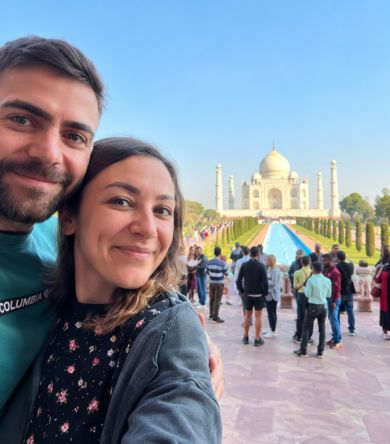

India is one of the most remarkable destinations in the world — and for first-time European travelers, it can also feel like one of the most uncertain. Millions of visitors from the UK, Germany, France, Spain and across Europe travel here each year and return home with experiences they remember for life. But India is not Europe, and preparation genuinely matters.
If you are planning a route through Delhi, Agra, Jaipur or Rajasthan, one of the most practical decisions you can make early is how you will travel between cities. Private Car Driver Indias chauffeur service connects first-time visitors with experienced local drivers who handle navigation, traffic and intercity logistics — so you can focus entirely on the journey.
Here is what you genuinely need to know before you travel.
Is India Safe for First-Time European Travelers?
The short answer: yes, for the destinations most Europeans come to visit, India is manageable — but it is not risk-free, and "safe" means something different here than it does at home.
The Golden Triangle (Delhi, Agra, Jaipur) and Rajasthan are not subject to any "avoid travel" warnings from UK, French or German government advisories. The UK Foreign, Commonwealth & Development Office (FCDO) does advise against travel to specific regions — including Jammu & Kashmir, Manipur and areas close to the India-Pakistan border — but these are far from the standard European tourist itinerary.
What official European travel advice consistently makes clear is that safety in India is regional, not absolute. The everyday concerns for most first-time visitors are practical: tourist scams, road traffic conditions, food and water hygiene, and adjusting to unfamiliar customs. These are manageable with sensible preparation — not reasons to cancel your trip.
Travel Around North India with
a Private Car & Driver
Make your first India trip easier with a comfortable car, experienced local driver and pre-arranged travel.
What Are the Main Safety Concerns for Tourists in India?
Understanding the real risks helps you manage them — and stops you worrying about the wrong ones.
Tourist Scams
Tourist scams are among the most commonly reported problems for European visitors, particularly around airports, train stations and major monuments. The most frequent involve taxi overcharging on arrival, gem investment scams, fake tour guides offering "free" temple visits, and strangers claiming your hotel has closed while offering to take you somewhere else. These situations are irritating and can be costly, but they are rarely dangerous.
Traffic and Road Safety
For most European visitors, Indian road conditions are the biggest genuine adjustment. City traffic in Delhi or Jaipur bears little resemblance to European road environments. Lanes, signals and right of way operate differently. Vehicles, pedestrians, motorcycles and cows share the same road. Road quality varies significantly outside major city centres.
Petty Theft
Crowded markets, busy public transport and popular tourist sites carry a moderate pickpocketing risk. Keep a copy of your passport separately from the original. Store your travel insurance policy number and emergency contacts somewhere accessible offline.
How Can European Travelers Get Around India Safely?
- App-based taxis — Uber and Ola — are generally reliable in major Indian cities, with fixed, transparent pricing.
- Train travel is popular for intercity routes. Reserved, air-conditioned berths are recommended. Golden Triangle by Train vs Car
- A private car with driver is the option most suited to European first-timers for predictable, comfortable travel.
- Self-driving is not recommended for first-time visitors due to unfamiliar traffic rules and surfacing.
Is India Safe for Women and Solo Travelers?
Women do travel around India, but female travelers should be aware of verbal harassment risks. Practical precautions make a meaningful difference:
- Dress modestly, particularly outside major tourist areas.
- Avoid isolated areas, especially after dark.
- Use pre-booked transport rather than hailing vehicles from the street.
- Save India's Women's Helpline number — 1091 — in your phone.
Is Food and Water Safe in India for European Travelers?
Delhi Belly is common. Tap water in India is not safe to drink. Use sealed bottled water at all times. Regarding street food, choose busy stalls with freshly cooked food. Adjust to spice levels cautiously.
What Should European Travelers Know Before Visiting India?
- Religious sites: Cover shoulders and legs; remove shoes.
- Legal differences: Vapes and e-cigarettes are banned in India. Alcohol is completely illegal in Gujarat and Bihar. Drug laws are strictly enforced.
- Advice on transport: How to Choose a Reliable Taxi Service in Rajasthan
Are Delhi, Agra, Jaipur and Rajasthan Safe?
These destinations — the Golden Triangle — have dedicated tourist police and infrastructure. While generally safe, standard precautions apply in crowded areas.
What Health Precautions Should You Take Before Visiting India?
Visit a travel health clinic at least eight weeks before departure for vaccines like typhoid / hepatitis A / hepatitis B. Use DEET-based mosquito repellent and ensure travel insurance is valid. Emergency number: 112; Women's Helpline: 1091.
Frequently Asked Questions
Is India safe for first-time European travelers?
Yes, with preparation. The Golden Triangle and Rajasthan are not subject to "avoid travel" warnings from European advisories.
Is Uber safe in India?
Yes, Uber and Ola are reliable and a safer alternative to unknown taxis.
Is street food safe in India for European visitors?
It can be if you choose busy stalls serving freshly cooked, piping hot food.
What is the emergency number in India?
The national emergency number is 112. Police is 100.
Is the Golden Triangle safe for European tourists?
Yes, it is well-touristed with dedicated visitor infrastructure.
Always check current advisories: FCDO India travel advice