The Taj Mahal visiting time starts 30 minutes before sunrise and closes 30 minutes before sunset. It remains closed every Friday.

here is why most visitors still have a bad experience:

  • They arrive too late (after 9 AM)
  • They do not plan for queues (waiting time can be 1–2 hours)
  • They underestimate the heat (Agra gets very hot by 11 AM)
  • They forget that Friday is closed

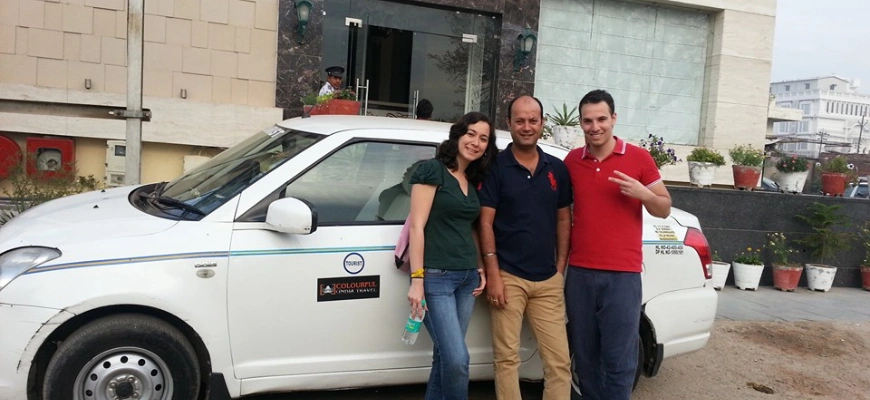
If you are planning a Taj Mahal tour by car, reaching early is the biggest challenge. The drive takes 3–4 hours one way. Without a proper plan, you may end up standing in line when you could be enjoying the monument.

This guide is based on real visitor experiences and updated for 2026. No fluff. Just practical help.

Why Timing Matters

Let us be honest. You are visiting the Taj Mahal maybe once in your life. You want beautiful photos, peaceful moments, and good memories. But timing can ruin all of that.

What happens at different times of the day:

TimeCrowd LevelHeatPhoto QualityWaiting Time
Sunrise – 8 AMLowPleasantGolden light, soft shadows10–15 min
8 AM – 9 AMMediumWarmGood20–30 min
9 AM – 11 AMHighHotHarsh sunlight45–60 min
11 AM – 1 PMVery HighVery HotPoor (overexposed)60–90 min
AfternoonSlightly lessExtremeGlare, washed out45–60 min

A difference of just 1–2 hours can completely change your experience at the Taj Mahal. The same ticket price. The same monument. But one gives you peace and beauty; the other gives you sweat and crowds.

Visitor Name Richard reaches at 6:00 AM. He finishes by 9:00 AM. He takes 50 clean photos, sits on a bench, and enjoys the silence. Another Visitor Name Paras reaches at 9:30 AM. He waits 1 hour to enter. By the time he reaches the main dome, it is 10:30 AM, the sun is harsh, and every photo has 20 strangers in the background.

Which one do you want to be?

Taj Mahal Visiting Time
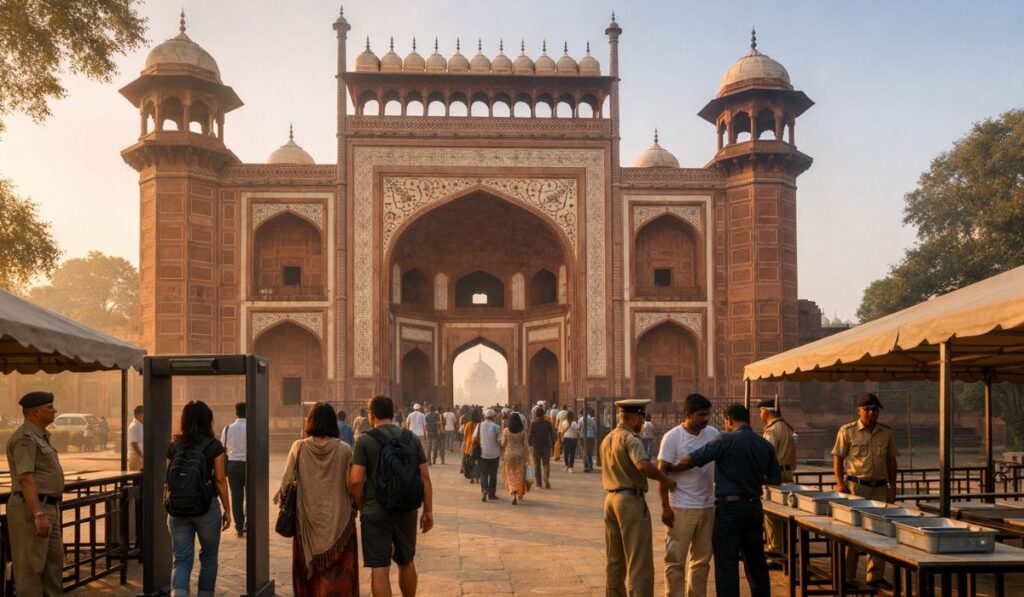
Taj Mahal Visiting Time – Complete Guide 2026

Here are the official timings for 2026. Note that sunrise and sunset times change with seasons.

SeasonOpening Time (approx)Closing Time (approx)
Summer (April – September)5:30 AM7:00 PM
Winter (October – March)6:30 AM5:30 PM
Monsoon (July – August)5:45 AM – 6:15 AM (varies)6:30 PM – 7:00 PM

Important:

  • Closed every Friday
  • Ticket counters close 45 minutes before sunset
  • Last entry is 30 minutes before sunset

Always check the local sunrise time for the exact date of your visit. You can simply Google “Agra sunrise time” one day before.

Best Time to Visit

Early Morning (Best Choice – 5:30 AM to 7:30 AM)

  • Peaceful atmosphere – you can hear birds and the Yamuna river flow
  • Less crowd – only serious travelers and photographers
  • Better photos – soft golden light, no harsh shadows
  • Cooler temperature – even in summer, mornings are pleasant

Late Afternoon (Second Best – 3:00 PM to closing)

  • Fewer school groups and large tours
  • Beautiful sunset light on white marble
  • Less heat than midday

Late Morning (Common Mistake – 9 AM to 11 AM)

  • Crowded with tour buses
  • Long queues for tickets and security
  • Children crying, people pushing, guides shouting

Midday (Worst – 11 AM to 2 PM)

  • Extreme heat (often 40°C+ in summer)
  • Harsh light makes the marble look flat
  • You will be exhausted within 30 minutes

This is why early arrival makes such a big difference. If you only remember one thing from this guide, remember: go at opening time.

Problem you may Face
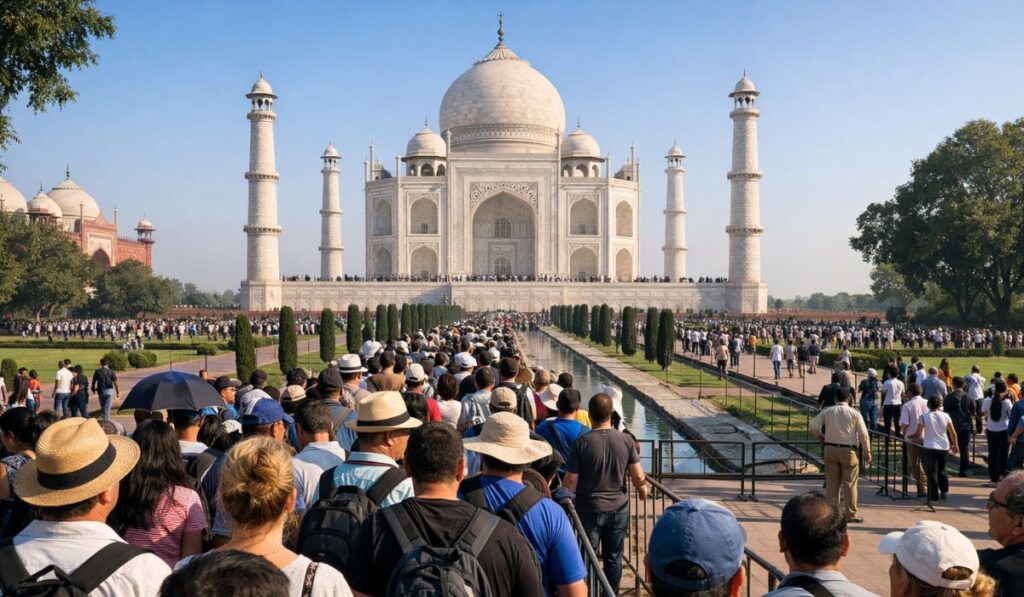
Taj Mahal Visiting Time – Complete Guide 2026

For many travelers, the biggest difficulty is not the Taj Mahal visiting time – it is reaching there at the right time without stress.

Let us break down the real problems:

Long distance from Delhi
Delhi to Agra is about 230 km. By car, it takes 3 to 4 hours one way. By train, the fastest (Gatimaan Express) takes 1 hour 40 minutes, but you still need to get from Agra station to the Taj Mahal (another 30–40 minutes).

Early wake-up needed
If you want to reach by 6:00 AM from Delhi, you must leave by 2:30 AM (by car) or catch a train around 5:00 AM. That means waking up at 3:30 or 4:00 AM. Many visitors find this very hard to do on their own.

Traffic unpredictability
Roads near Agra can be blocked by trucks, weddings, or religious processions. A 3-hour drive can become 5 hours. Then you miss the good timing.

Problem 4 – Ticket and entry confusion
There are three gates. Two different ticket counters. Security checks. Shoe keeping. Bottled water rules. First-time visitors waste 45–60 minutes just figuring things out.

To avoid this, many visitors prefer a planned day trip where travel, timing, and entry are already aligned. This means someone else handles the train or car booking, the gate strategy, and the timing so you can focus on the experience instead of logistics. You do not have to wake up confused. You just follow a simple plan.

Where Most Visitors Go Wrong

Based on hundreds of visitor reviews, here are the top 5 mistakes:

  1. Arriving after 9 AM – The single biggest mistake. You will stand in line for 1 hour in the sun.
  2. Not knowing gate strategy – Everyone goes to West Gate because it is famous. East Gate is much faster but less known.
  3. Underestimating travel time – People think “Agra is close.” It is not. Especially with traffic.
  4. Carrying too many bags – No large bags allowed. You will have to pay for locker storage and waste time.
  5. No clear plan for Friday – Many travelers book tickets for Friday and then find it closed. Check before you go.

These small mistakes often turn a dream visit into a rushed, hot, and disappointing experience. You do not need to make them. A little planning fixes everything.

Entry Gates Strategy

The Taj Mahal has three entry gates. Most visitors do not know the difference. Here is what you need to know:

GateBest ForOpens AtCrowd LevelInsider Tip
East GateFastest entrySame as openingLowUse this one. Very few tourists know.
West GateMain gateSame as openingVery HighLongest queues. Avoid if possible.
South GateBackup option30–45 minutes laterMediumOpens late. Only use if others are too crowded.

Choosing the right gate can save you 30–45 minutes of waiting. That is 30–45 minutes you can spend inside the Taj Mahal instead of standing in a line.

Ask your taxi or auto driver to drop you at the East Gate. Many drivers take you to West Gate because it is easier for them. Be firm.

Night Viewing

The Taj Mahal is also open for night viewing on specific nights. This is a special experience, but not necessary for most visitors.

When: Full moon nights + two nights before and two nights after
Time slots: 8:30 PM, 9:00 PM, 9:30 PM (each slot 30 minutes)
Entry limit: Only 400 people total per night
Booking: Must be done 1 day in advance at the Archaeological Survey of India office
Cost: Higher than day ticket (around ₹750 for Indians, ₹1100 for foreigners in 2026)

Is it worth it?

  • Yes if you love moonlit views and silence
  • No if you are on a budget or short on time

Keep this section short. Most visitors do not need night viewing.

Ideal Visit Plan

Here is a simple, step-by-step plan that works for 90% of visitors. Read this and imagine yourself doing it.

If you are staying in Agra (recommended):

  • 5:00 AM – Wake up, freshen up, light breakfast
  • 5:30 AM – Leave hotel (carry only: phone, camera, water, ID, small cash)
  • 5:45 AM – Reach East Gate
  • 6:00 AM – Enter as gates open
  • 6:00 AM – 8:30 AM – Explore slowly. Take photos from the main arch, the side gardens, and the river bank. Sit on a bench for 10 minutes just watching.
  • 8:30 AM – Exit before crowds build
  • 9:00 AM – Breakfast at a nearby hotel or return to hotel for rest

If you are coming from Delhi same day (hard but possible):

  • 3:00 AM – Wake up
  • 3:30 AM – Leave Delhi by car (or take 5:00 AM Gatimaan Express from Nizamuddin)
  • 6:30 AM – Reach Agra
  • 7:00 AM – Enter Taj Mahal (you will miss the very first hour, but still better than 9 AM)
  • 7:00 AM – 9:30 AM – Explore
  • 10:00 AM – Leave Agra
  • 1:30 PM – Back in Delhi

Insight: A simple plan makes the entire experience smoother and more enjoyable. You do not need to be a travel expert. You just need to follow a plan.

Practical Tips

  1. Start early – This is number one for a reason. No exceptions.
  2. Carry light – Only a small bag (A4 size max). No tripods, no large backpacks.
  3. Keep ID ready – You will need it for ticket verification. Passport, Aadhar, or driver’s license.
  4. Check weather – Avoid peak summer (May–June) if possible. If you must go, carry an umbrella and water.
  5. Choose less crowded entry – East Gate. Remember this.
  6. Wear comfortable shoes – You will walk 3–4 km inside.
  7. Buy tickets online – Official website or at the gate. Online saves 30 minutes.
  8. Cover your head and shoulders – Not strictly enforced, but respectful.
  9. Keep shoe covers – You get them with your ticket. Do not throw them away.
  10. Do not trust touts – People will say “This gate is closed” or “Follow me for fast entry.” Ignore them. Follow the signs.

FAQs

Q: What is Taj Mahal visiting time today?

A: It opens 30 minutes before sunrise and closes 30 minutes before sunset. Check “Agra sunrise time” on Google for today’s exact time.

Q: Is Taj Mahal open on Friday?

A: No. It is closed every Friday for weekly prayers at the mosque inside.

Q: What is the best time to visit?

A: Early morning, right at opening time. Second best: late afternoon (3 PM onwards).

Q: Can I visit at sunrise?

A: Yes. In fact, that is the best time. The gates open exactly 30 minutes before sunrise, so you are inside when the sun rises over the dome.

Q: How early should I reach?

A: At least 30–45 minutes before opening time to buy tickets, go through security, and walk to the gate.

Conclusion

Understanding the Taj Mahal visiting time helps you avoid crowds, plan better, and enjoy a peaceful experience. With the right timing and a simple plan, your visit can be smooth, memorable, and stress-free.

You do not need to be rich. You do not need a luxury tour. You just need to wake up early and choose the right gate.

Final soft nudge: Many travelers find that planning their journey in advance makes all the difference. Whether you book a full day trip or simply set your alarm for 5 AM, the result is the same: you will see the Taj Mahal the way it was meant to be seen – quiet, beautiful, and unforgettable.

Have a wonderful visit in 2026.
Rajasthan, the land of maharajas and magnificent palaces, is best explored at your own pace with the comfort and flexibility of a rajasthan tour with private car and Driver. This timeless destination offers a journey through India’s royal heritage, and having your own vehicle transforms the experience from a simple tour into an unforgettable adventure.

Rajasthan Tour with Private Car and Driver – Quick Guide

  • Duration: 7–14 Days
  • Best Route: Jaipur – Jodhpur – Udaipur – Jaisalmer
  • Best Time: October to March
  • Ideal For: Couples, families, foreign tourists

Why Choose a Private Car and Driver?

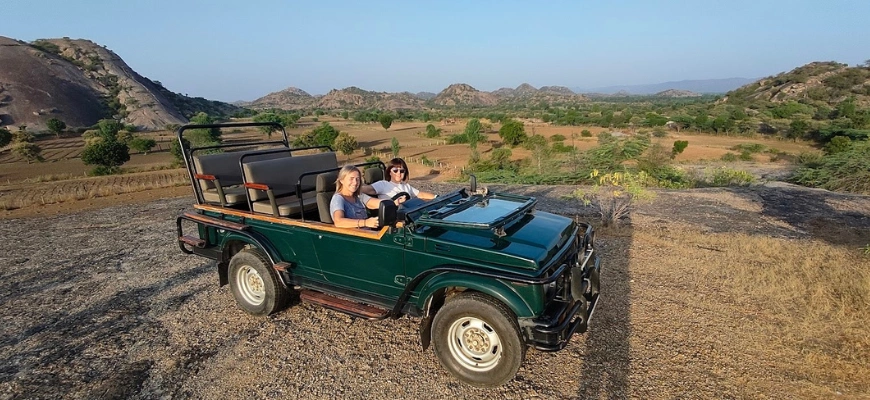
Traveling through Rajasthan road trip with private driver offers unparalleled advantages. The state is vast, with attractions spread across considerable distances, and public transportation can be time-consuming and restrictive. A private vehicle gives you the freedom to stop at roadside temples, capture stunning desert landscapes, and adjust your itinerary spontaneously.

Your driver becomes more than just transportation; they often serve as a local guide, sharing insights about regional culture, recommending authentic restaurants, and helping navigate language barriers. This personalized service eliminates the stress of navigation, parking, and dealing with local traffic conditions, allowing you to focus entirely on experiencing the magic of Rajasthan.

Essential Destinations on Your Rajasthan Circuit

Jaipur: The Pink City

serves as an ideal starting point. Explore the majestic Amber Fort, the intricate Hawa Mahal, and the astronomical wonders of Jantar Mantar. The city’s vibrant bazaars offer everything from textiles to precious stones, and having a car means you can easily transport your purchases.

Jodhpur: The Blue City

captivates with the imposing Mehrangarh Fort towering over blue-painted houses. The journey from Jaipur takes approximately five hours by car, and the scenic drive through rural Rajasthan is an experience in itself.

Udaipur: The City of Lakes

represents romance and elegance. The City Palace overlooking Lake Pichola and the serene boat rides create unforgettable moments. With a private car, you can explore the surrounding countryside, including the stunning Ranakpur Jain Temple en route from Jodhpur.

Jaisalmer: The Golden City

stands as a desert jewel near the Pakistan border. The sandstone fort and evening camel safaris in the Sam Sand Dunes offer a completely different flavor of Rajasthan. Though it requires a longer drive, having your own vehicle makes this remote destination accessible and comfortable.

Rajasthan itinerary with car and driver

A typical Rajasthan tour spans 7 to 14 days, depending on how many cities you wish to cover. A private car allows you to create a personalized schedule that matches your interests and energy levels. You can start early to beat the crowds at popular monuments or take leisurely mornings when you prefer.

Consider including smaller towns like Pushkar, famous for its sacred lake and camel fair, or Bundi, with its stunning stepwells and palace. These off-the-beaten-path destinations become easily accessible when you’re not bound by bus schedules.

What to Expect from Your Driver

Professional drivers in Rajasthan are typically experienced with tourist routes and speak basic English. They’re familiar with hotel locations, restaurant recommendations, and the best times to visit major attractions. Most drivers will handle vehicle maintenance and fuel, though it’s important to clarify these arrangements upfront.

Drivers usually arrange their own accommodation and meals, which are separate from your costs. However, it’s customary and appreciated to offer cold water and snacks during long drives, especially in Rajasthan’s intense heat.

Practical Considerations

Vehicle Type:

Most tour operators offer air-conditioned sedans or SUVs. Choose based on your group size and luggage requirements. SUVs provide more comfort for longer journeys but cost slightly more.

Daily Driving Limits:

Drivers typically work 8-10 hours per day with a maximum distance of 250-300 kilometers. Longer days can be arranged but may incur additional charges.

Cost Considerations:

Private car services typically range from $40-80 per day, including driver allowance, depending on vehicle type and season. Fuel is usually calculated separately based on actual consumption.

Safety:

Reputable tour operators provide well-maintained vehicles with proper insurance and licensed drivers. Always book through established companies or verified platforms.

Best Time to travel Rajasthan by car

October through March offers the most pleasant weather for touring Rajasthan. Summers (April-June) are extremely hot, with temperatures exceeding 45°C in some regions, though off-season rates can be attractive if you can handle the heat. The monsoon season (July-September) brings occasional rains but also lush landscapes and fewer tourists.

Cultural Etiquette and Tips

Respect local customs when visiting temples and religious sites. Many require removing shoes and covering heads. Your driver can guide you through these protocols. Always carry sufficient water, sunscreen, and light cotton clothing. The desert climate can be harsh, and staying hydrated is essential.

Bargaining is expected in markets, and your driver can help navigate fair prices. Don’t hesitate to ask them to stop at local eateries for authentic Rajasthani cuisine, from dal baati churma to ker sangri.

Making the Most of Your Journey

The beauty of traveling with a private car lies in the unexpected moments: stopping at a rural village market, witnessing a colorful procession, or capturing the perfect sunset over ancient forts. Build flexibility into your schedule to embrace these spontaneous opportunities.

Photography enthusiasts will appreciate the freedom to stop at scenic viewpoints without rushing. The drive between cities often reveals rural life, farming communities, and architectural gems that organized tours might bypass.

Conclusion – Rajasthan Tour with a Private Car and Driver

A private car and driver transform a Rajasthan tour from a checklist of monuments into an immersive cultural experience. The combination of comfort, flexibility, and local expertise creates a journey where the roads between destinations become as memorable as the destinations themselves. Whether you’re marveling at palace architecture, shopping in bustling bazaars, or watching the sun set over sand dunes, traveling at your own pace allows you to truly connect with the spirit of this magnificent state.

Rajasthan awaits with its tales of valor, artistic heritage, and warm hospitality. With a private car as your gateway, every mile becomes part of your royal adventure through India’s most enchanting region.

The Golden Triangle Tour with Private Car and Driver in India is one of the most iconic travel routes in the world, connecting three magnificent cities that showcase the country’s rich cultural heritage, stunning architecture, and vibrant history. This classic circuit links Delhi, Agra, and Jaipur, forming a triangle on the map that has captivated travelers for decades. When experienced with a private car and driver, this journey transforms into a comfortable, personalized adventure that allows you to explore at your own pace.

What is the Golden Triangle?

The Golden Triangle encompasses three historic cities, each offering distinct experiences. Delhi, the bustling capital, blends ancient monuments with modern metropolitan energy. Agra houses the world-famous Taj Mahal, a timeless symbol of love. Jaipur, the Pink City, dazzles visitors with its royal palaces and colorful bazaars. Together, these destinations provide an unforgettable introduction to India’s diverse cultural landscape.

Why Choose a Private Car and Driver?

Traveling with a private car and driver elevates the Golden Triangle experience in numerous ways. You gain the flexibility to customize your itinerary, stopping at hidden gems or spending extra time at sites that capture your interest. Your driver serves as both navigator and local guide, handling logistics while you relax in air-conditioned comfort. This arrangement eliminates the stress of navigating unfamiliar roads, bargaining with taxi drivers, or managing public transportation schedules.

The convenience factor cannot be overstated. After early morning visits to popular monuments, you can retreat to your private vehicle rather than competing for shared transport. Your driver knows the best routes to avoid traffic, the ideal times to visit attractions, and can recommend authentic local restaurants off the tourist trail.

The Classic Itinerary of Golden Triangle Tour with Private Car and Driver in India

Delhi: Where History Meets Modernity

Your journey typically begins in Delhi, where centuries of history unfold across two distinct sections. Old Delhi retains its Mughal character with narrow lanes, bustling markets, and architectural marvels like Jama Masjid and the Red Fort. New Delhi showcases British colonial planning with wide boulevards, India Gate, and the impressive government buildings along Rajpath.

Must-see attractions include Qutub Minar, a UNESCO World Heritage Site featuring the world’s tallest brick minaret, and Humayun’s Tomb, which inspired the design of the Taj Mahal. The lotus-shaped Bahai Temple offers tranquil gardens, while Chandni Chowk market provides a sensory explosion of sights, sounds, and flavors.

Agra: The City of  Eternal Love

The drive from Delhi to Agra takes approximately three to four hours via the Yamuna Expressway. Agra centers around the magnificent Taj Mahal, but this city offers much more than its famous monument. The Agra Fort, another UNESCO site, served as the main residence of Mughal emperors and showcases impressive red sandstone architecture.

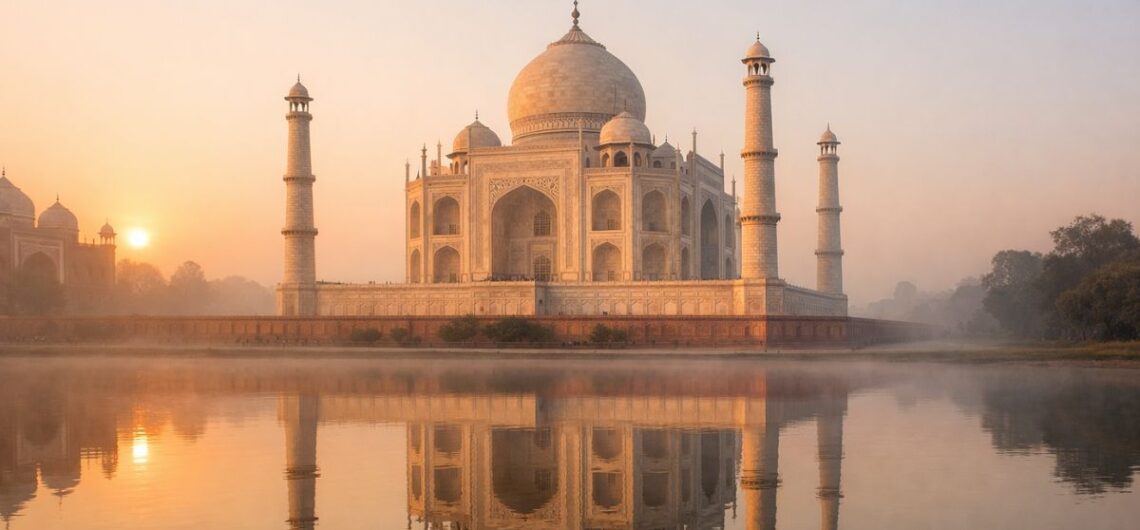
Visiting the Taj Mahal at sunrise remains the quintessential experience, when soft morning light bathes the white marble in golden and pink hues. Your private driver can arrange an early departure to beat the crowds. The nearby tomb of Itimad-ud-Daulah, often called the “Baby Taj,” displays intricate marble inlay work that predates the Taj Mahal.

Jaipur: The Pink City’s Royal Splendor

The journey from Agra to Jaipur covers roughly 240 kilometers and can include a stop at Fatehpur Sikri, a deserted Mughal capital frozen in time. This detour adds historical depth to your understanding of India’s past.

Jaipur enchants visitors with its rose-colored buildings, majestic forts, and vibrant culture. The Amber Fort, perched on a hillside, combines Hindu and Mughal architectural styles with its mirror-studded halls and sweeping courtyards. The City Palace complex remains partially occupied by Jaipur’s royal family and houses museums displaying royal artifacts.

Don’t miss Hawa Mahal, the iconic Palace of Winds with its honeycomb facade, or Jantar Mantar, an astronomical observatory featuring massive instruments built in the 18th century. Jaipur’s bazaars overflow with textiles, jewelry, handicrafts, and traditional blue pottery.

Practical Considerations for Golden Triangle Tour with Private Car and Driver in India

Duration and Timing

The standard Golden Triangle tour spans five to seven days, though it can be condensed or extended based on your interests. A typical breakdown includes two days in Delhi, one to two days in Agra, and two days in Jaipur. The best time to visit runs from October through March when temperatures are pleasant for sightseeing.

Costs and Booking

Private car and driver packages vary based on vehicle type, season, and services included. Most reputable operators provide air-conditioned sedans or SUVs with English-speaking drivers experienced in tourist routes. Costs typically cover the vehicle, driver’s expenses, fuel, and parking fees, while accommodation, meals, and monument entrance fees remain separate.